City Guides: Things to do While Boating in Calais, France

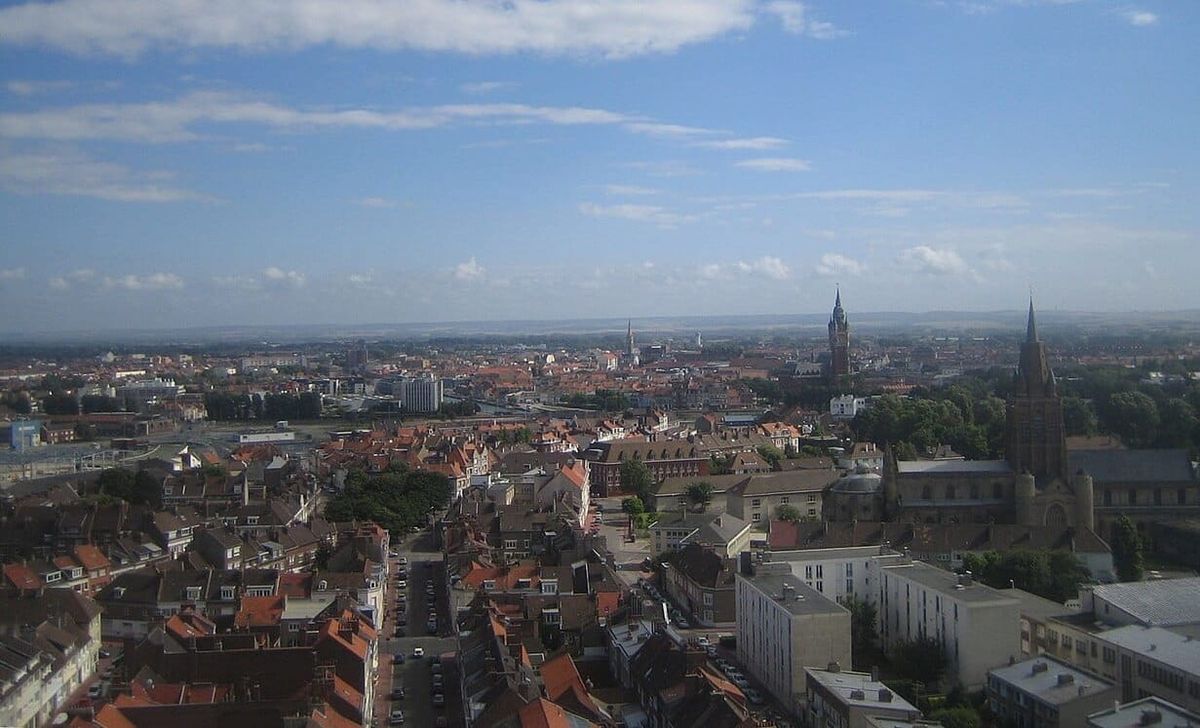
Calais is often seen as a gateway to England, but the French port city has plenty to explore before crossing the English Channel. Its attractions reflect a complicated maritime history, a long association with lace-making, World War II and its location on the Côte d’Opale. Here are several worthwhile attractions to include on a visit to Calais, whether you’re staying at a marina or a private boat lift rental.
Hôtel de Ville and Belfry
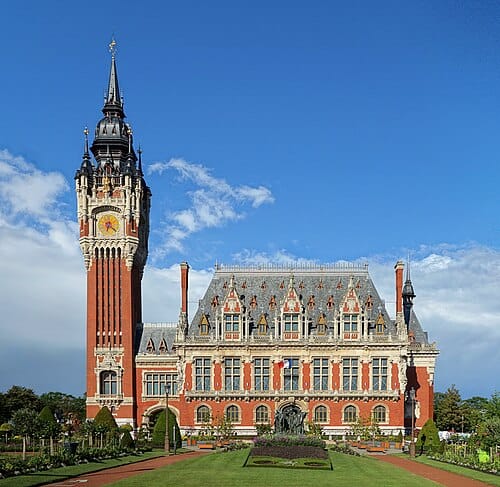
The Hôtel de Ville, also known as Mairie de Calais, is the town hall and one of the city's most recognizable landmarks. Built in the early 20th century, in a Flemish Renaissance-inspired style, the red-brick building was constructed to symbolize the union of Calais and the former neighboring town of Saint-Pierre. Its 246-foot belfry is part of the Belfries of Belgium and France UNESCO World Heritage Site. From the top, visitors can see across the city and, on clear days, toward the English coast.
Cité de la Dentelle et de la Mode
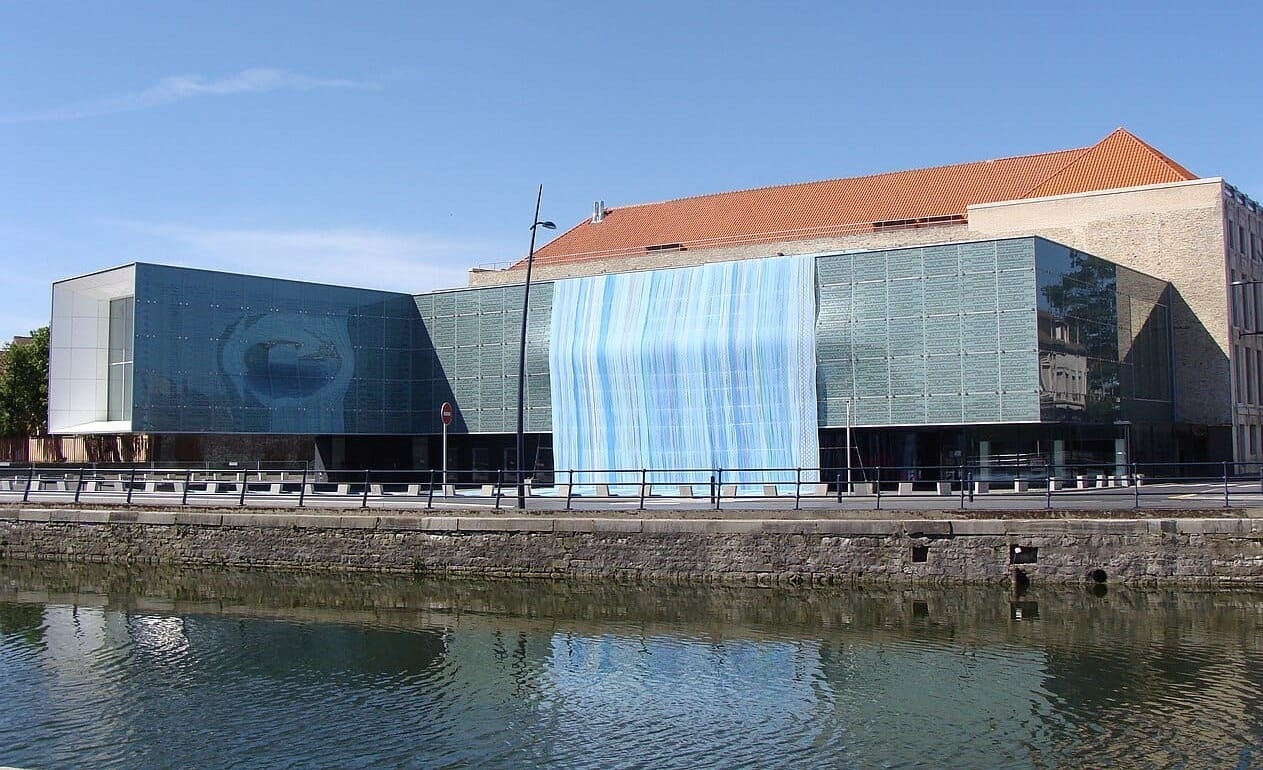
The Cité de la Dentelle et de la Mode, or Museum of Lace and Fashion, explores one of the industries most closely associated with Calais. Housed partly in a former 19th-century lace factory, the museum examines the history, technology and fashion applications of lace. One of its highlights is the demonstration of enormous mechanical lace-making looms. Exhibits also connect traditional lace-making with modern lingerie, haute couture and textile design.
Calais Lighthouse
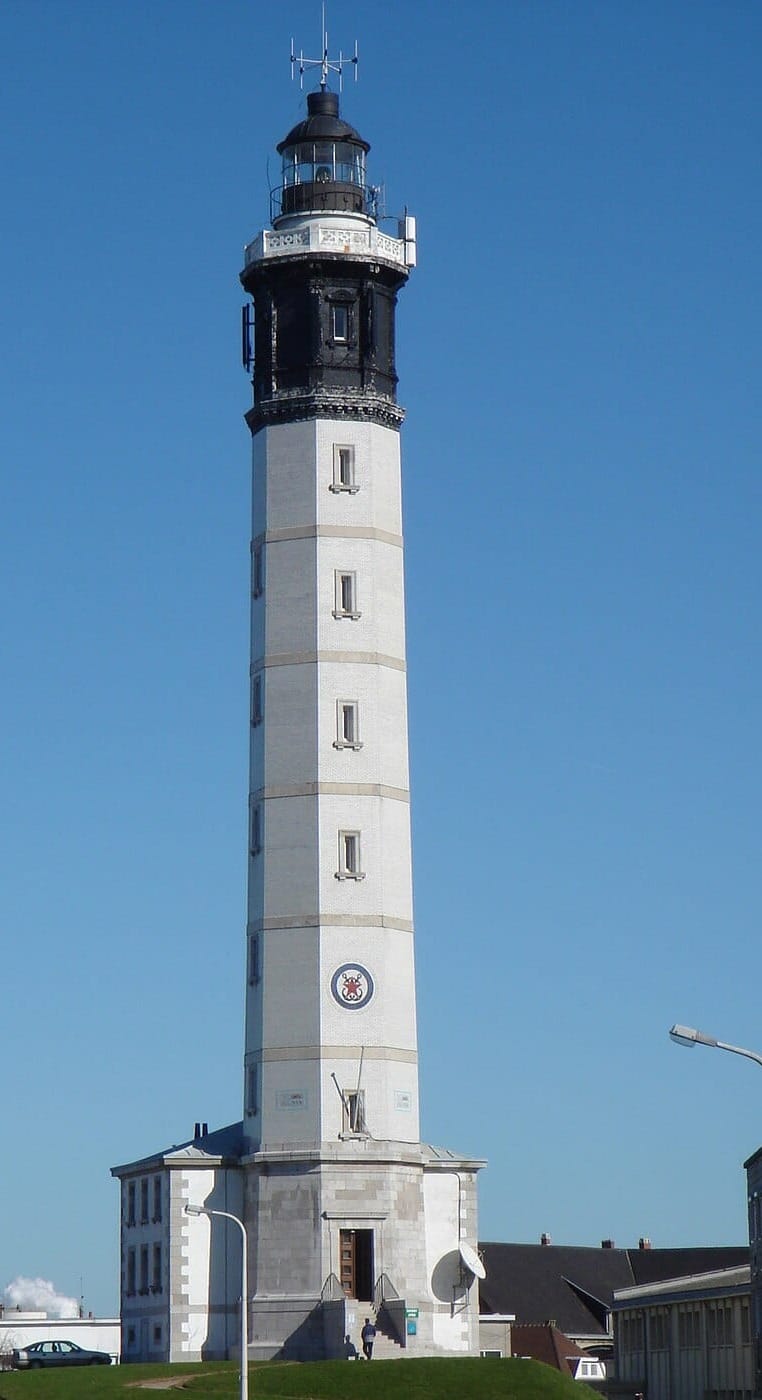
The Phare de Calais is a historic working lighthouse near the port. Visitors who make the climb are rewarded with panoramic views over Calais, the harbor, the English Channel and surrounding coastline. On clear days, the English coast can be visible across the Strait of Dover. The lighthouse is particularly appropriate for travelers interested in Calais' long maritime history while visiting from private boat slips near me for rent or marinas.
Musée des Beaux-Arts de Calais
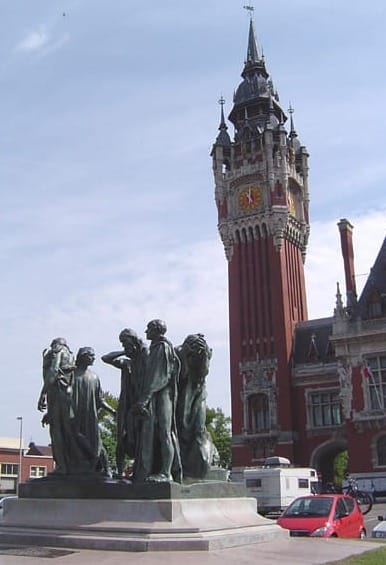
The Museum of Fine Arts in Calais offers a quieter cultural stop in the city center. Its collections include paintings, sculptures and works connected with the history of Calais. The museum also provides additional context for sculptor Auguste Rodin's The Burghers of Calais, making it a useful companion visit to the outdoor monument near the town hall. The bronze sculpture commemorates a dramatic time in Calais’ medieval history. It depicts six prominent citizens who offered themselves as hostages to England's Edward III during the siege of Calais in 1347. The figures' individual expressions and poses give the monument a notably human character.
Fort Risban
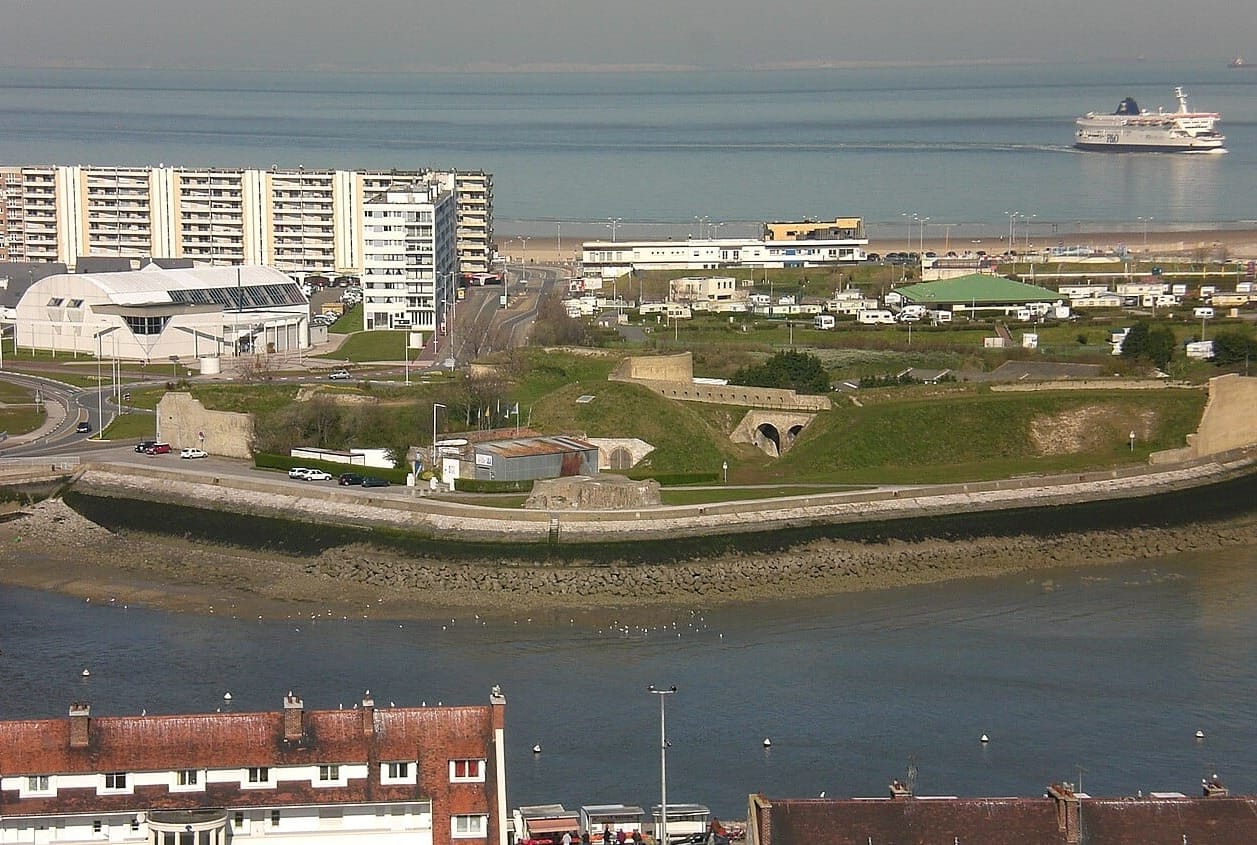
Built as part of Calais' coastal defenses, Fort Risban occupies a strategic position beside the harbor. Its origins date to the 16th century, when the location was fortified to protect the port. The fort was subsequently modified several times as military technology changed. Today, it forms part of Calais' historic waterfront and provides an interesting reminder of the city's longstanding military importance.
Place d'Armes and the Tour du Guet
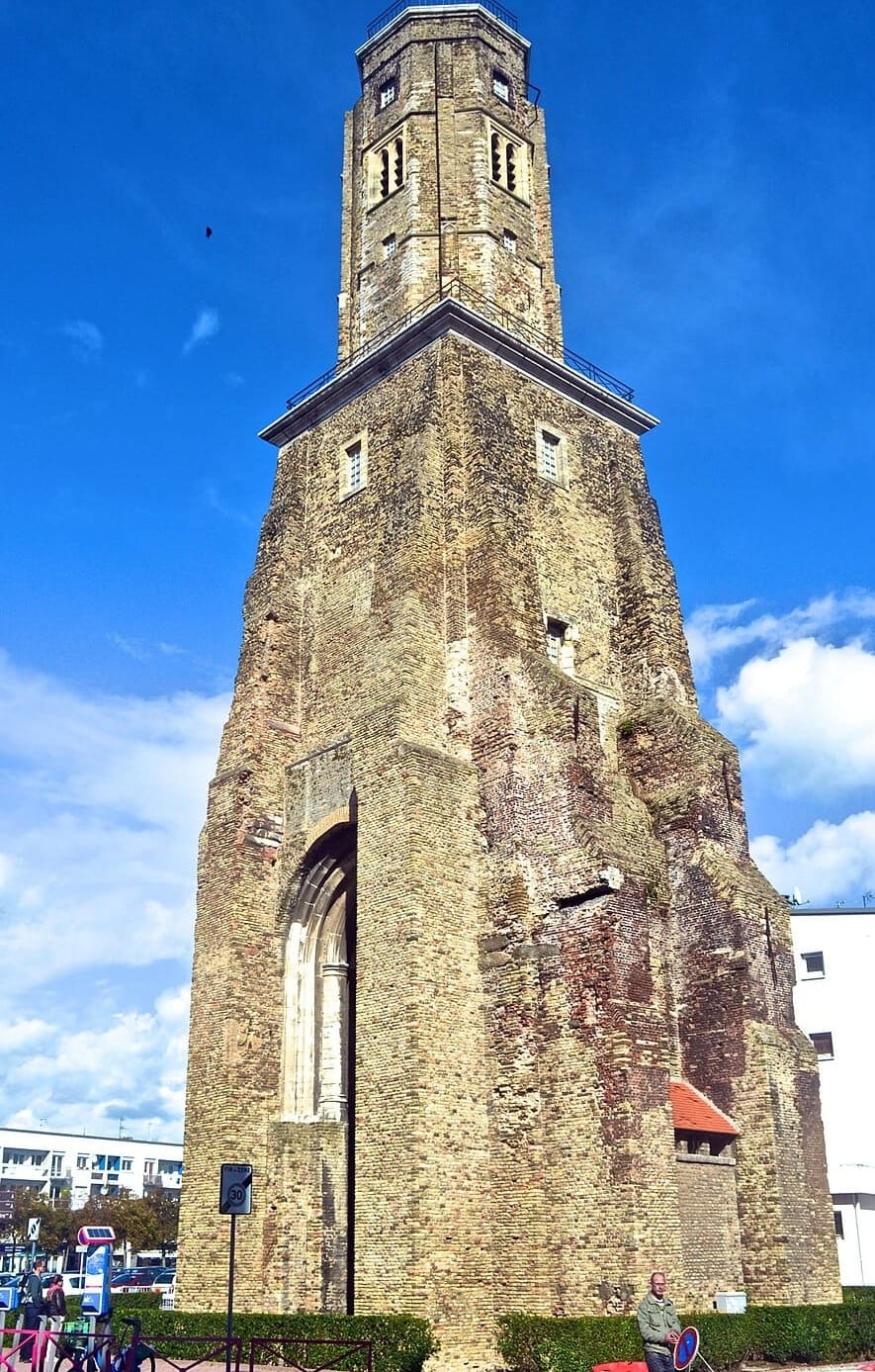
The historic Place d'Armes is home to the Tour du Guet, or Watchtower, one of the city's oldest surviving structures. The tower predates the English capture of Calais in 1347 and later served as a lighthouse before the modern lighthouse was built. Its location provides an easy way to combine a walk through the older part of Calais with the city's maritime history and stays at private boat docks for rent.