Digital Selective Calling (DSC): A Boater's Guide to Modern VHF Radio Safety


Digital Selective Calling (DSC) is an important safety feature on modern marine VHF radios. It allows boaters to transmit digitally encoded distress alerts and contact specific vessels or stations without relying solely on voice communications. When properly configured and used with an appropriate radio, DSC can help speed up emergency notifications, improve communication between vessels and support safer boating. Understanding how DSC works, how to configure it and when to use its features helps recreational boaters make better use of their onboard communication equipment.
What Is Digital Selective Calling?
DSC is a standardized digital signaling system incorporated into compatible marine radios. Unlike a conventional voice call, which requires someone to listen to a channel and hear a spoken message, a DSC transmission sends digital information that compatible radios can recognize automatically.
DSC operates on designated marine VHF channels, with Channel 70 reserved for DSC digital signaling. Voice communications are not permitted on Channel 70. After a DSC call establishes contact, the radios may automatically switch to an appropriate working channel for the conversation.
One of DSC's most important functions is its ability to transmit a distress alert that identifies the vessel and, when valid position information is available, its location at any point past private boat slips near me for rent. This can help nearby vessels and shore-based rescue authorities respond more effectively.
The Importance of a Maritime Mobile Service Identity
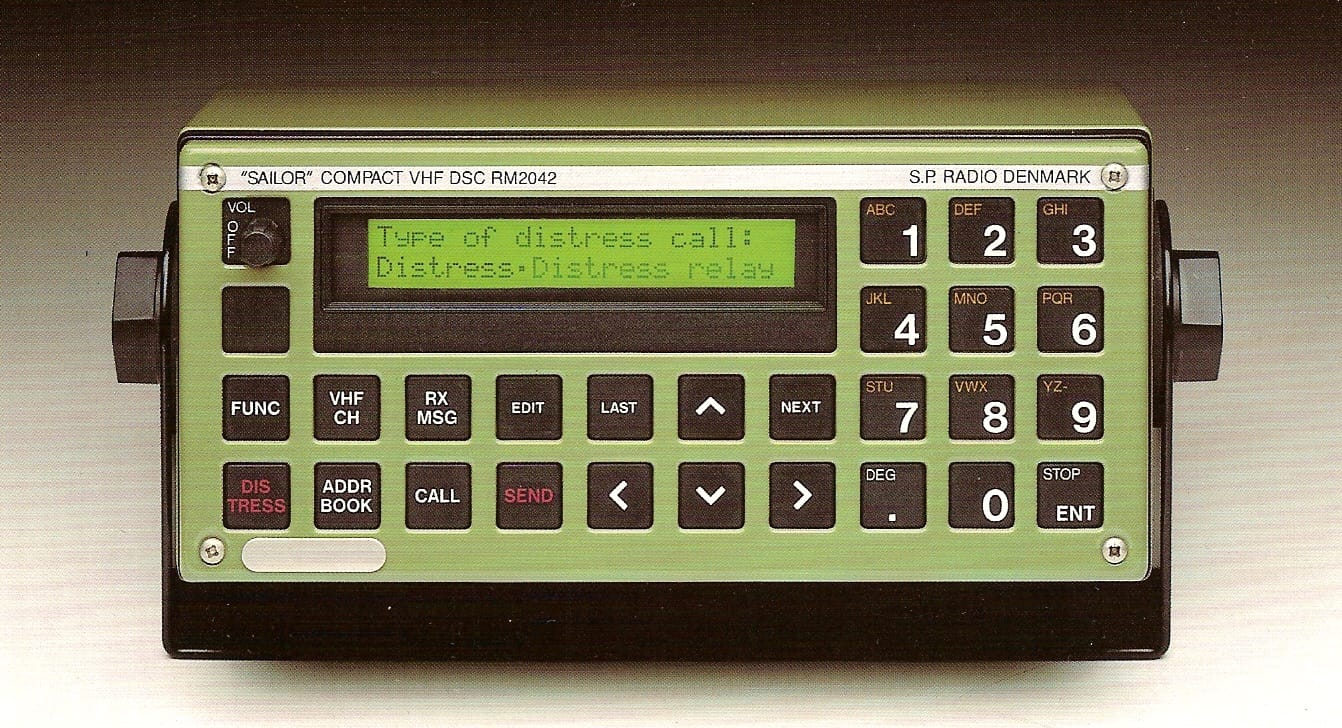
A Maritime Mobile Service Identity (MMSI) is a unique nine-digit number used to identify a vessel or radio station in digital maritime communications. It serves a role similar to a telephone number, allowing DSC-equipped radios to identify one another.
Before using DSC, boaters should obtain the appropriate MMSI through the relevant national registration process. In the United States, recreational boaters can generally obtain an MMSI through an authorized organization, while certain vessels and operations may require an MMSI issued through the Federal Communications Commission (FCC).
Enter the number carefully into the radio and verify that it’s correct. Many radios restrict changes to a programmed MMSI, sometimes requiring manufacturer or dealer assistance to correct an error.
Connecting DSC to GPS
For DSC distress alerts to include the vessel's current position, the radio must receive valid position data from an internal GPS receiver or a compatible external navigation system.
Depending on the equipment, this connection may use NMEA 0183 or NMEA 2000 networking. Boaters should consult the radio and chartplotter manuals to confirm compatibility, wiring and configuration requirements.
After installation, verify that the radio displays a current latitude and longitude. If the radio cannot obtain position data, it may still transmit a distress alert, but the alert might not include the vessel's location. That limitation can delay identification and response.
Some radios also support automatic position reporting and position requests, subject to equipment capabilities, configuration and applicable operating rules.
How to Send a DSC Distress Alert
The DSC distress function is designed for situations involving grave and imminent danger when immediate assistance is required, such as a sinking vessel, a life-threatening fire or another emergency that seriously threatens life or the vessel.
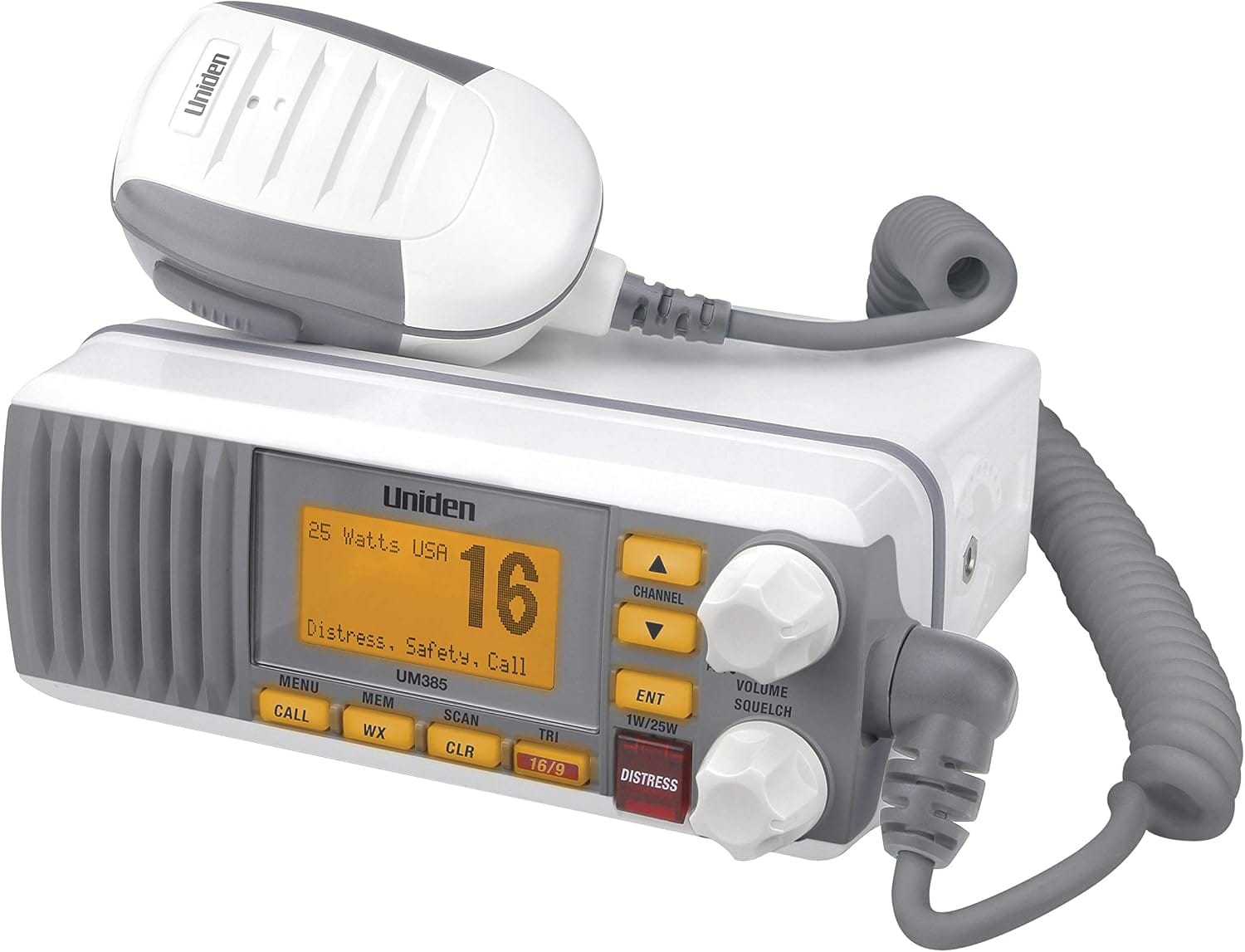
Although radio controls vary by manufacturer, the general procedure is:
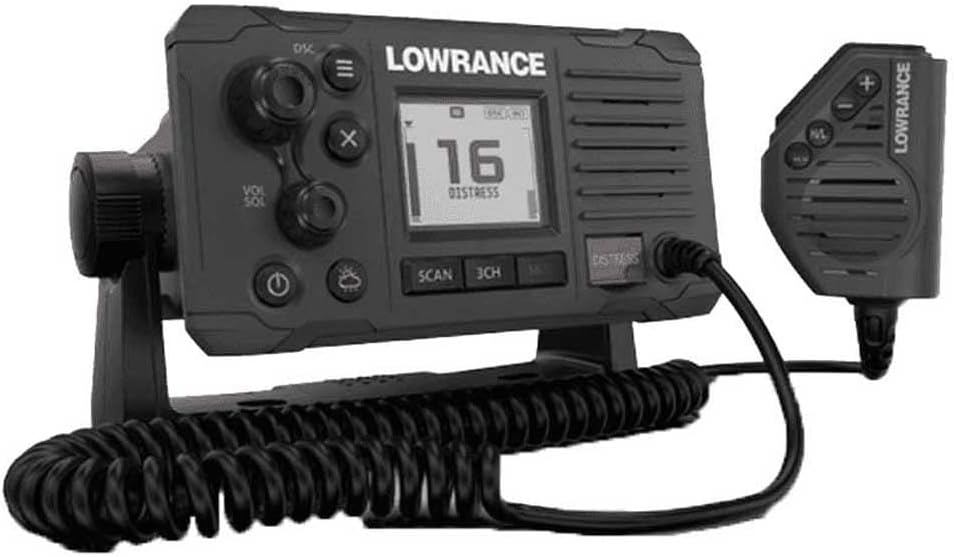
- Open the distress control cover. Locate the dedicated distress button, typically marked “DISTRESS.”
- Press and hold the button. Follow the manufacturer's instructions, which commonly require holding it for several seconds to initiate transmission.
- Select the nature of distress if prompted. Some radios allow the operator to specify the emergency; if the situation is unclear or there is no time, use the available procedure for an unspecified distress.
- Follow up with a voice Mayday. Switch to VHF Channel 16 if the radio does not do so automatically. State “Mayday” three times, identify the vessel, provide its position and the nature of the emergency, describe assistance needed, and give other relevant information.
A DSC distress alert does not replace voice communication when voice communication is possible. Continue monitoring Channel 16 and follow instructions from the Coast Guard or other responding stations.
In the United States, DSC distress alerts may be received by appropriately equipped nearby vessels and shore stations, including Coast Guard facilities within radio coverage. DSC does not guarantee reception or automatically provide global satellite coverage.
Making Routine DSC Calls
DSC is also useful for non-emergency communications. A boater can make an individual call to another vessel using its MMSI rather than hailing it repeatedly by voice. Depending on the radio and the call type, the receiving radio may acknowledge the call and direct both radios to a working channel.
Group calling can be useful for flotillas or organized boating trips, allowing compatible radios to contact a predefined group. Some radios also support position requests and position reporting, which can help participating vessels coordinate their movements while away from private boat dock rentals.
Before using these features, learn the radio's menu system and confirm that the intended vessel has a compatible DSC radio. Routine calls should be made on the appropriate settings and channels, with voice communications conducted on a designated working channel rather than Channel 70.
Testing and Maintaining DSC Equipment
DSC is only useful if the radio is correctly programmed, connected and functioning. Include the following checks in a regular marine electronics inspection:
- Verify that the correct MMSI is programmed into the radio.
- Confirm that GPS position data is available and current.
- Inspect antenna connections, power wiring and any network connections.
- Review the owner's manual to understand distress procedures and routine calling features.
- Use the radio's approved test-call functions or authorized test services, where available. Never send a false distress alert to test the system.
Boaters should also understand that DSC range is generally limited by VHF radio propagation, antenna height, terrain and receiving-station coverage. A properly installed radio and antenna improve performance, but DSC is not a substitute for an EPIRB or personal locator beacon when satellite-based distress alerting is appropriate.
Making DSC Part of Your Safety Routine
Digital Selective Calling adds valuable capabilities to a marine VHF radio, particularly when an emergency requires rapid identification and location information. However, its effectiveness depends on correct programming, reliable GPS input, adequate radio coverage and a boater who understands the operating procedure.
Before departing the marina or private boat lifts for rent, confirm that DSC is ready for use and that everyone aboard knows where the distress button is located. Combining DSC with voice-radio proficiency, routine equipment checks and other appropriate emergency equipment gives boaters a stronger foundation for handling unexpected situations on the water.