Marine Engine Air Intake and Ventilation: Maintenance, Performance and Troubleshooting


Marine engine air intake and ventilation systems play an important role in engine performance, reliability and onboard safety. Engines require a steady supply of clean air for combustion, while engine compartments need adequate ventilation to manage heat and, in gasoline-powered boats, help prevent the accumulation of flammable fuel vapors. Understanding how these systems work and recognizing signs of restricted airflow can help boaters prevent mechanical problems and maintain safe operating conditions whether they’re at a marina and private boat lifts for rent or out on the water.
Understanding Marine Air Intake Systems
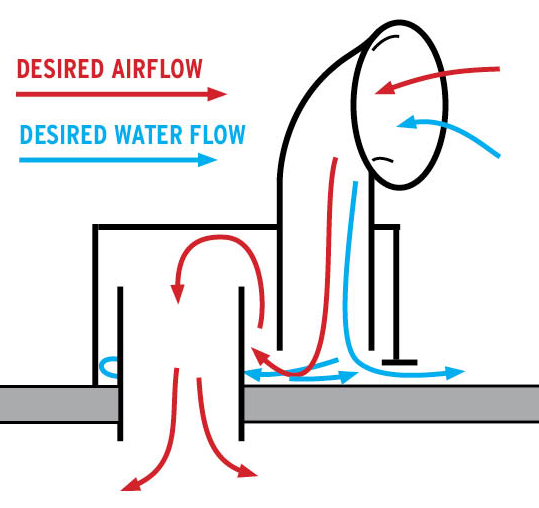
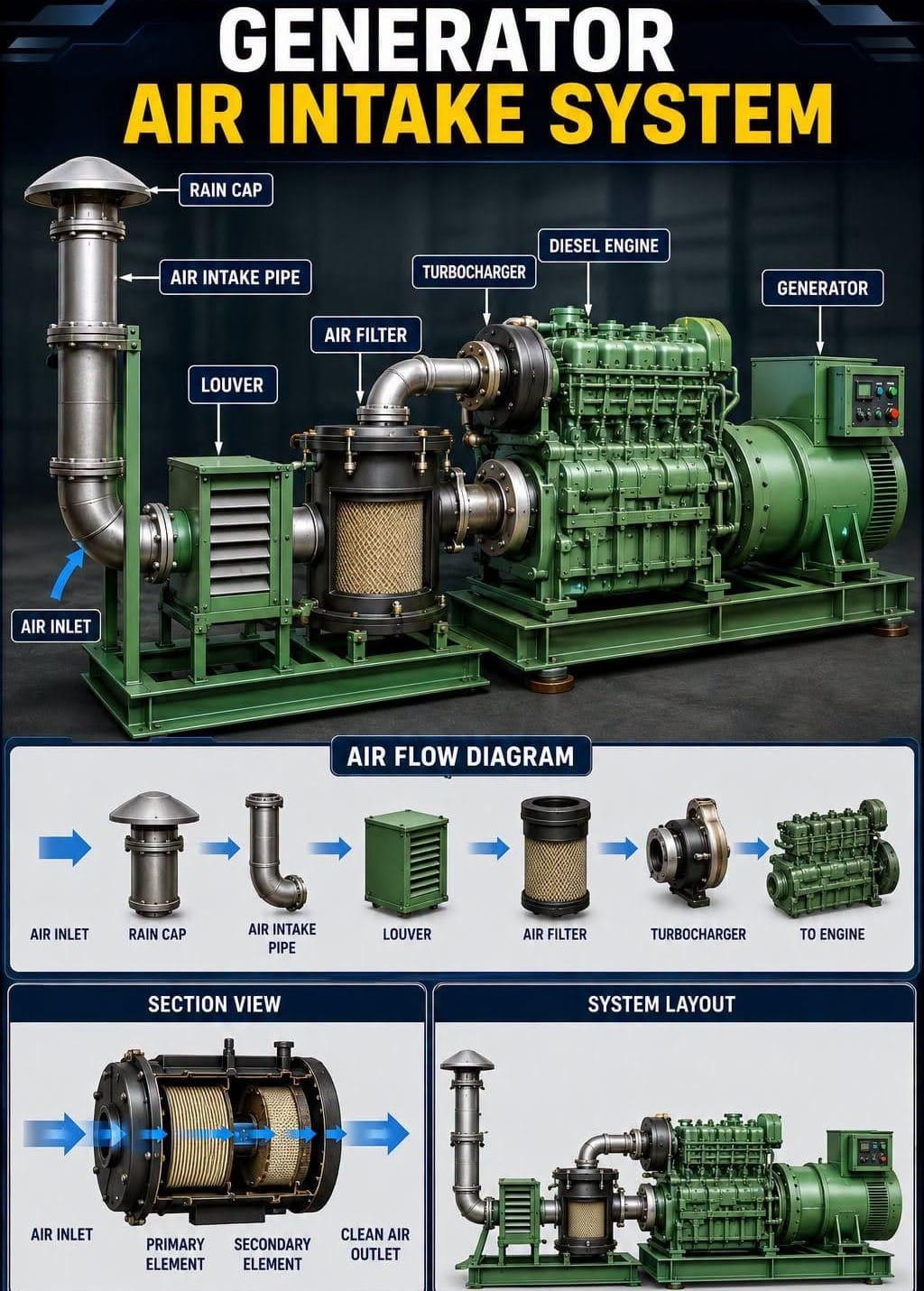
An engine's air intake system supplies the oxygen needed for combustion. Depending on the engine design, air may enter through dedicated intake openings, ducts or engine-mounted air cleaners before reaching the cylinders. Turbocharged and supercharged engines also rely on properly designed intake paths to deliver sufficient air under pressure.
Marine engines operate in environments where moisture, salt, dust and airborne debris can affect intake components. Unlike many automotive systems, marine installations must also account for water spray, humidity and the possibility of water entering through poorly positioned or damaged intake openings while at private boat slips near me for rent or out on the water.
Diesel engines require substantial airflow to support combustion, particularly under heavy loads. Gasoline engines also need adequate air, and their engine compartments require special attention because gasoline vapors can collect in low areas and create a fire or explosion hazard.
Air Filters and Their Maintenance
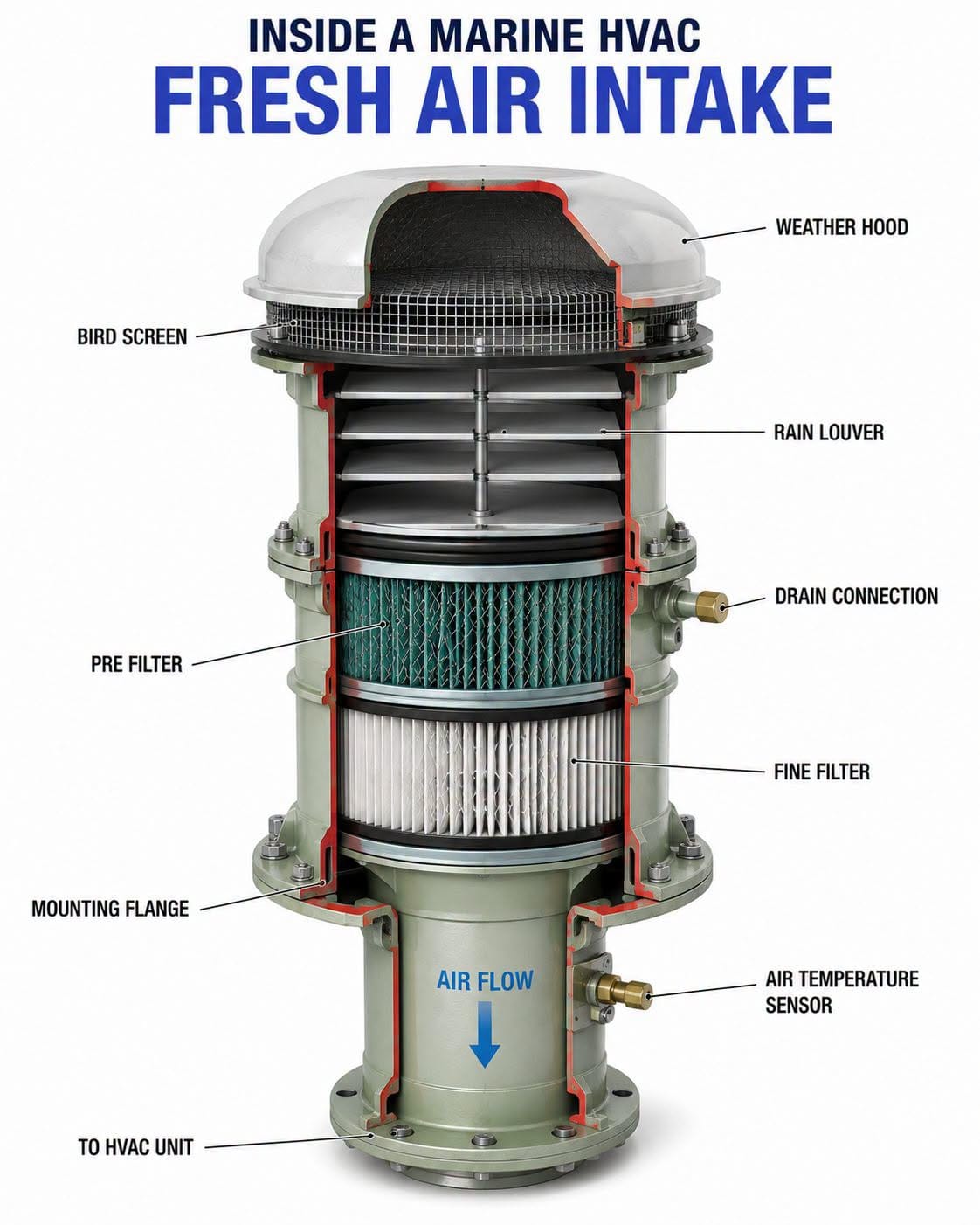
Air filters prevent dust, dirt and other contaminants from entering the engine. Depending on the installation, a marine engine may use a replaceable filter element, a washable filter or a specialized air cleaner designed for its operating environment. Some engines use intake silencers or flame-arresting devices rather than conventional automotive-style filters.
A clogged filter restricts airflow and can reduce engine performance. On diesel engines, severe restriction may contribute to excessive exhaust smoke, reduced power or increased fuel consumption. Turbocharged engines can be particularly sensitive to intake restrictions. However, these symptoms can also indicate fuel-system, turbocharger or other mechanical problems.
To maintain the air filter:
- Inspect it regularly. Follow the engine manufacturer's service schedule, checking more frequently in dusty or demanding operating conditions.
- Look for contamination. Salt deposits, oil, moisture and accumulated debris may indicate a maintenance issue or an unsuitable intake location.
- Replace or clean it correctly. Use the specified filter and follow the manufacturer's instructions. Some filter media can be damaged by compressed air, water or improper cleaning products.
- Check the surrounding components. Inspect intake hoses, clamps, housings and seals for cracks, loose connections or deterioration.
Avoid operating an engine, either at private boat dock rentals or marinas, without its required air cleaner or intake protection. Unfiltered air can introduce abrasive particles, while removing protective components may create additional safety risks.
Engine Room Ventilation
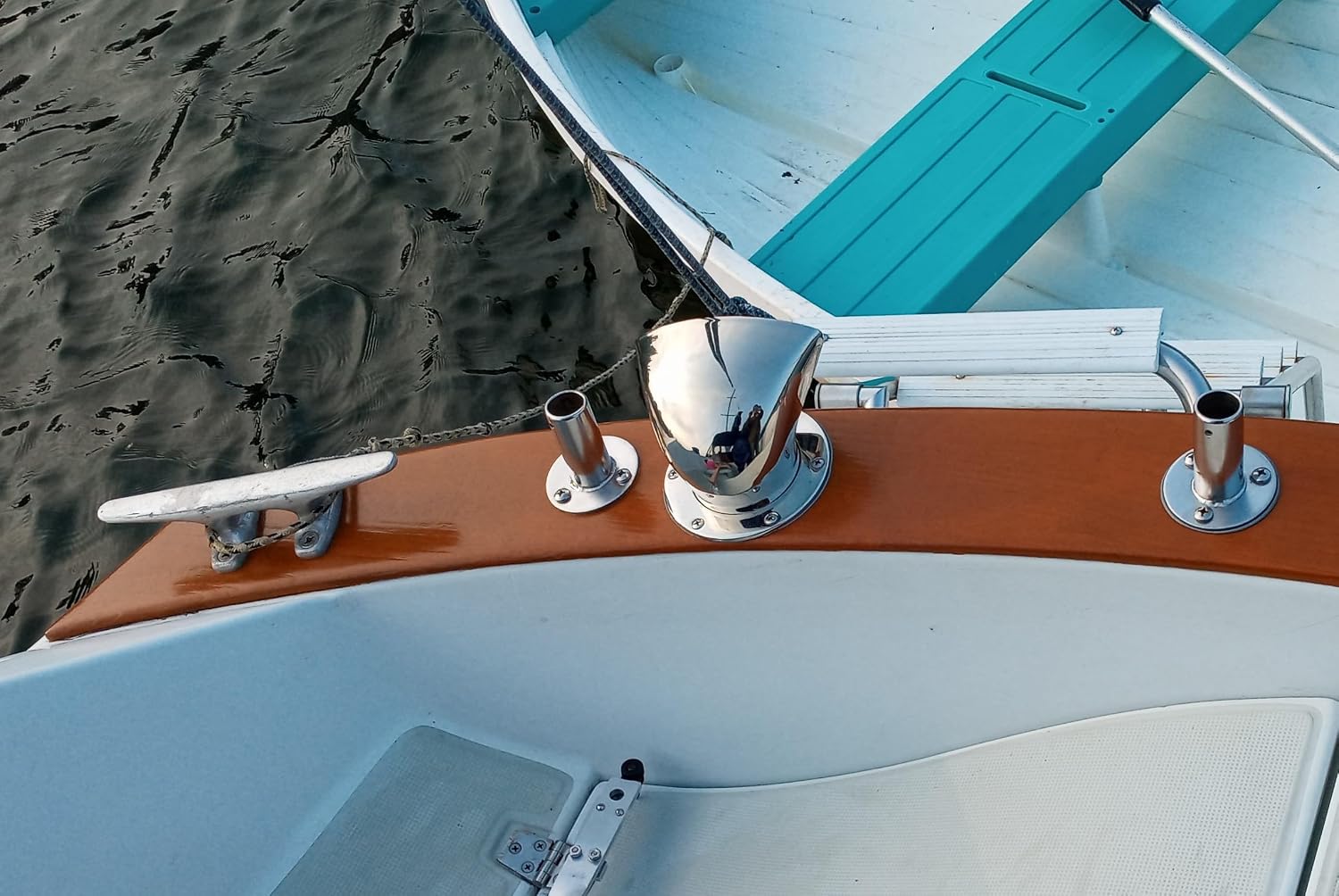
Engine room ventilation serves a different purpose from the engine's combustion-air intake. It exchanges air within the compartment, helping remove excess heat and supporting the engine's air requirements where the system is designed to do both.
Ventilation arrangements vary by vessel. Some boats use natural ventilation through appropriately positioned ducts and openings, while others rely on powered blowers. Engine compartment design, engine type, fuel system and manufacturer requirements determine the appropriate configuration.
Gasoline-Powered Boats
On gasoline-powered boats, ventilation is especially important because gasoline vapors are heavier than air and can collect in bilges or other low spaces. Powered ventilation systems must be used as directed by the vessel manufacturer and applicable safety requirements. On many gasoline-powered boats, this includes operating the engine-compartment blower for the prescribed period before starting the engine and checking for fuel odors. A blower does not replace inspection for leaks or other sources of vapor.
Diesel-Powered Boats
Diesel-powered boats also need suitable ventilation to supply combustion air and control heat. Although diesel fuel presents a different vapor hazard from gasoline, poor ventilation can still contribute to elevated compartment temperatures and reduced engine performance.
Troubleshooting Common Airflow Problems
Restricted airflow can result from blocked vents, dirty filters, damaged ducts, loose hoses or failed ventilation blowers. When investigating a suspected problem, start with a visual inspection while the engine is shut down.
- Reduced power or unusual exhaust smoke: Check the air filter and intake path for restrictions. If the intake is clear, further investigation may be needed to identify turbocharger, fuel delivery or engine condition problems.
- Excessive engine compartment heat: Inspect ventilation openings for obstructions and check powered blowers according to the manufacturer's instructions. Also consider other causes, such as a cooling-system fault or excessive engine load.
- Unusual intake noise: Loose clamps, damaged hoses or deteriorated intake components can create abnormal sounds or allow unfiltered air to enter.
- Fuel odors in a gasoline-powered boat: Don’t start the engine or operate electrical equipment that could ignite vapors. If safe, shut down potential ignition sources, avoid creating sparks and follow the vessel's emergency procedures. Investigate the source and obtain professional assistance before restarting.
Never place your hands near moving belts, fans or turbocharger components while an engine is operating. Allow hot equipment to cool before inspecting it, and follow the manufacturer's service procedures.
Keeping Airflow Systems in Good Condition
Air intake and ventilation systems are easy to overlook because their problems may develop gradually. Incorporating filter inspections, hose and clamp checks, vent cleaning and blower testing into a regular maintenance schedule helps preserve engine performance and onboard safety.
Boaters should also consult their engine and vessel manuals for the correct filter specifications, service intervals, ventilation requirements and pre-start procedures. Maintaining clean intake components and effective compartment ventilation supports reliable engine operation while reducing the risk of preventable mechanical and safety problems.