Preventing and Troubleshooting Common Marine Engine Overheating Problems

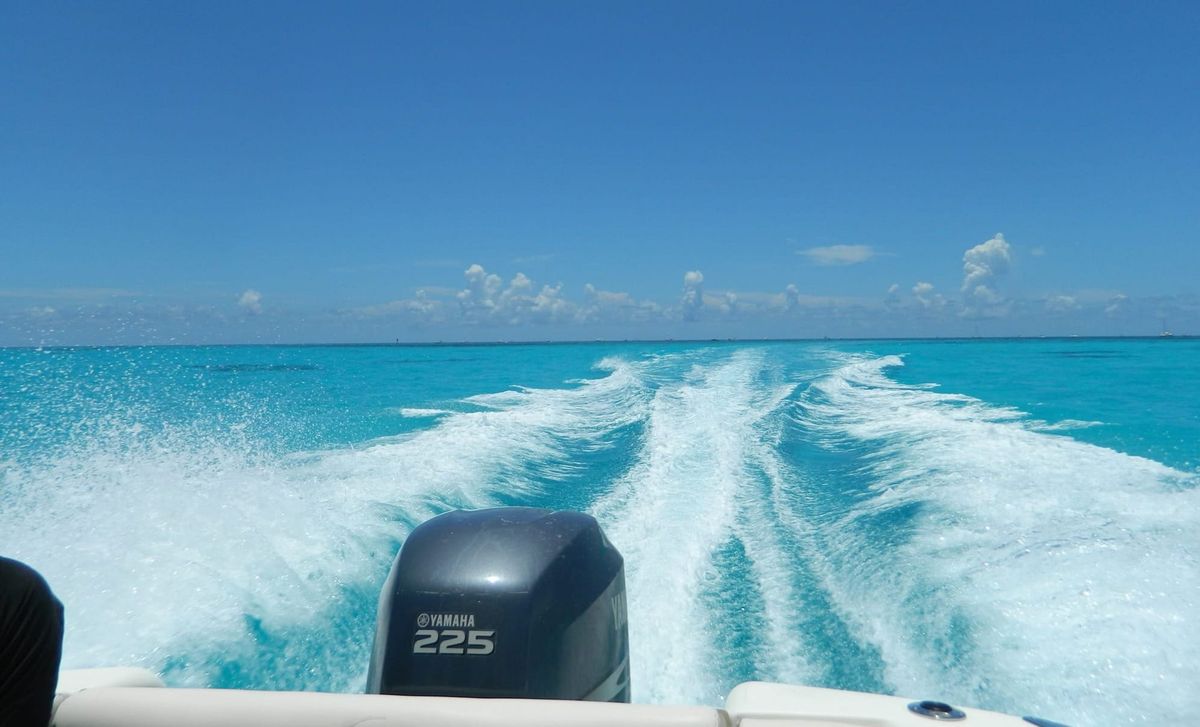
Marine engine overheating is a common mechanical problem that can affect everything from small outboard motors to inboard diesel engines. Because boats operate in an environment where cooling systems depend on water flow, corrosion, debris and worn components can interfere with heat regulation. Recognizing early warning signs and understanding how to troubleshoot common causes can help boaters avoid costly engine damage and unexpected breakdowns on the water or at private boat dock rentals.
Understanding Marine Engine Cooling Systems
Most marine engines use either an open-loop or closed-loop cooling system. Understanding the difference helps identify potential problems and perform appropriate maintenance. Both systems rely on unobstructed flow, functional pumps and effective heat transfer. A restriction or failed component can cause engine temperatures to rise rapidly.
Open-Loop System
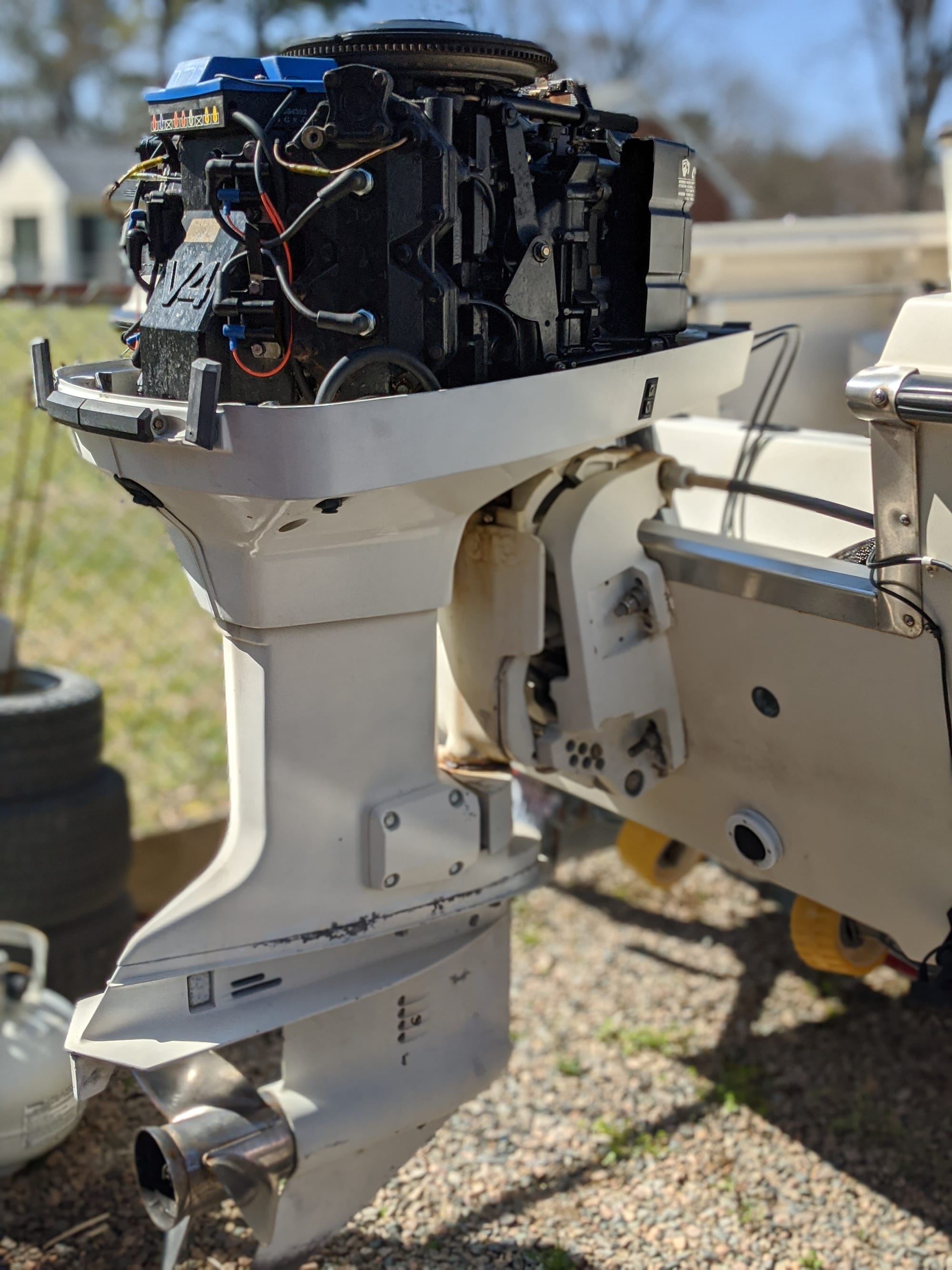
In an open-loop, or raw-water, cooling system, water drawn from the surrounding body of water circulates through the engine or its heat exchanger before being discharged. This system is common on outboards and many inboard engines.
Closed-Loop System
In a closed-loop cooling system, coolant circulates through the engine while raw water passes through a heat exchanger to remove excess heat. Some engines use variations of these designs, including systems that cool different engine components through separate circuits.
Common Causes of Engine Overheating
Several problems can interrupt the cooling process. Identifying the likely cause helps determine whether a simple correction is possible or if professional service is necessary.
- Restricted water intake: Seaweed, plastic, mud or other debris can block an intake or through-hull fitting, reducing the water available for cooling.
- Failed water pump or worn impeller: Flexible impeller vanes can crack, become brittle or break apart with age or dry running. A damaged impeller may reduce water flow or leave fragments lodged downstream.
- Clogged strainers or cooling passages: Debris, marine growth and mineral deposits can restrict raw-water flow. Corrosion and scale can also reduce the efficiency of heat exchangers.
- Faulty thermostat: A thermostat that sticks closed can prevent sufficient coolant circulation as the engine warms up.
- Low coolant or leaks: Closed-loop systems can overheat when coolant levels fall because of leaks, deteriorated hoses, or faulty connections.
- Damaged belts or hoses: A slipping belt may prevent a mechanically driven pump from operating properly, while collapsed, cracked or leaking hoses can disrupt circulation.
- Excessive engine load: Overloading a boat, operating at inappropriate engine speeds or encountering unusually demanding conditions can increase heat production beyond what the cooling system can manage.
Recognizing the Warning Signs
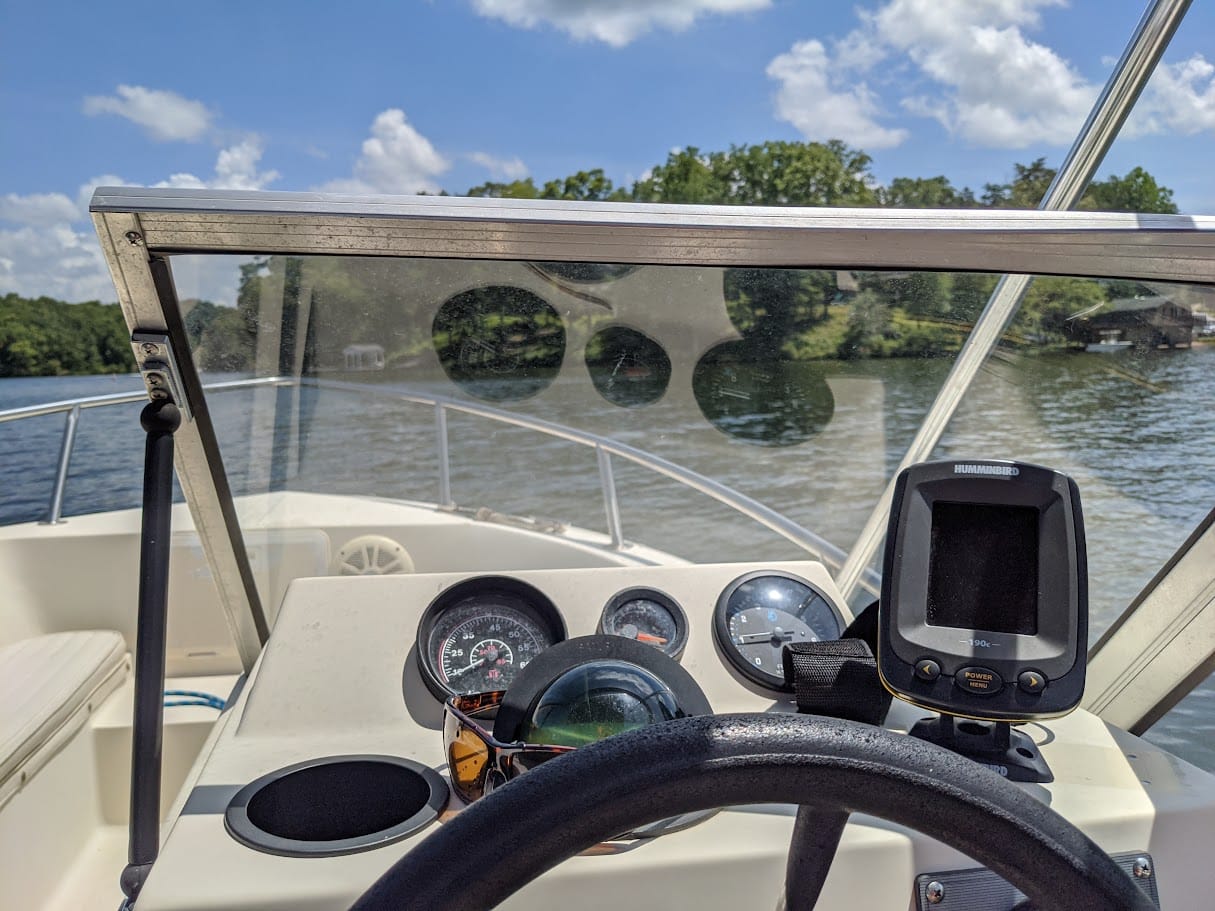
A rising temperature gauge is one of the clearest indications of a cooling problem. Other warning signs include an engine-temperature alarm, reduced performance, steam, unusual engine noise or an abnormal discharge of cooling water.
On many raw-water-cooled engines, the telltale stream or exhaust-water discharge provides a useful visual indication of circulation. However, the appearance of a discharge alone does not prove that the entire cooling system is functioning correctly.
Boaters should learn their engine's normal operating temperature, alarm behavior and cooling-water discharge pattern. Changes from these established conditions may reveal a developing problem before serious damage occurs.
Troubleshooting an Overheating Engine
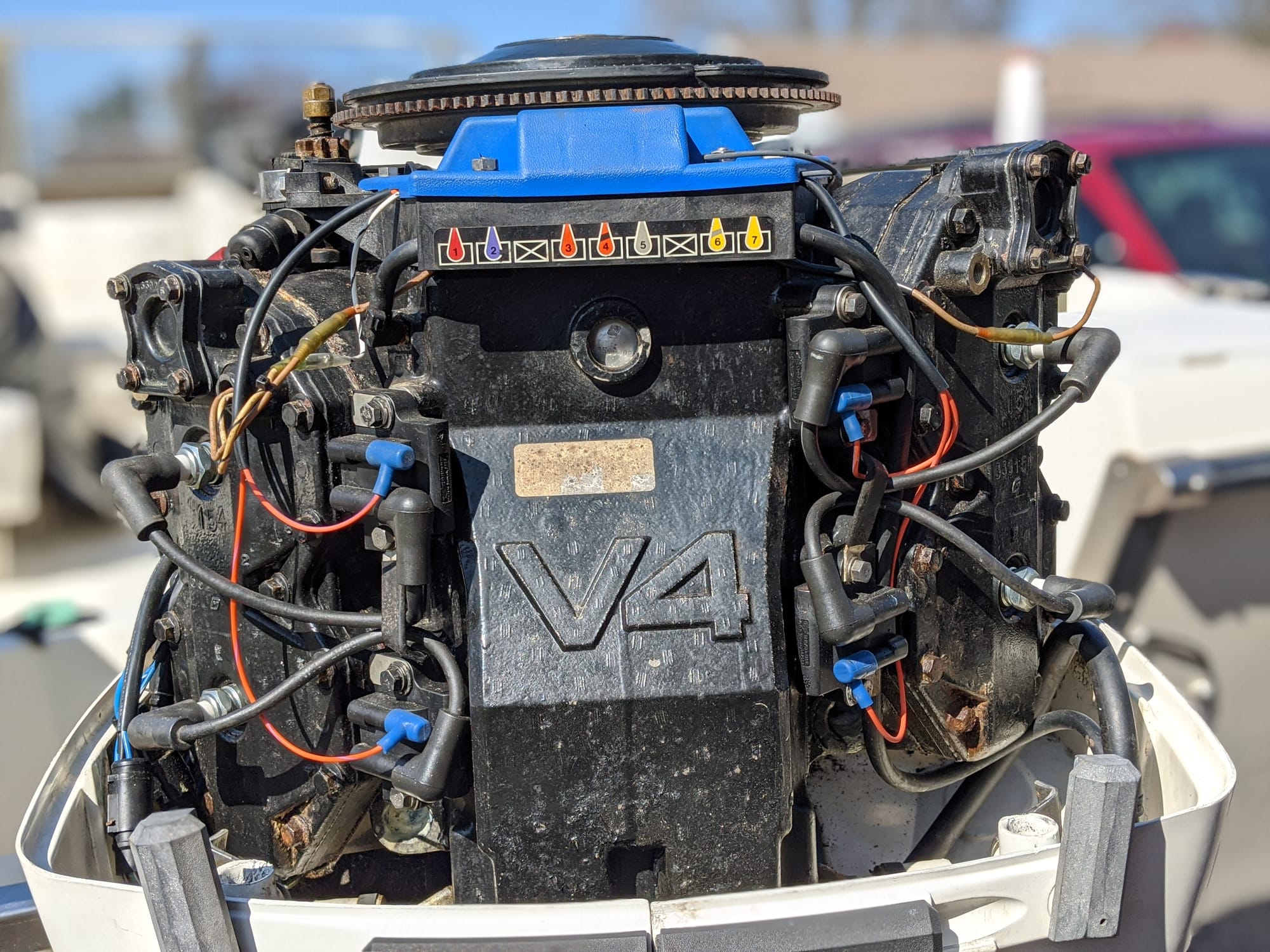
If the temperature rises above the engine manufacturer's normal operating range or an overheating alarm activates, reduce the load and follow the manufacturer's emergency procedures. Stop the engine as soon as it is safe to do so. Continuing to run an overheating engine can damage cylinder heads, pistons, gaskets and other expensive components.
Once the vessel is in a safe position, either at a marina or private boat slips near me for rent, use the following steps to investigate the problem.
1. Check the water intake. Inspect accessible intake openings for weeds, plastic or other obstructions. Clear debris only when it is safe to do so, and never reach near a running propeller or other moving equipment.
2. Inspect the strainer and water flow. After shutting down the engine and following the manufacturer's instructions, inspect the raw-water strainer for debris. Check for kinked or damaged hoses and look for leaks. Never open a hot, pressurized cooling system.
3. Examine the water pump. A damaged impeller or worn pump may be responsible for weak water flow. Impeller replacement intervals vary by engine and operating conditions, so consult the service schedule. If the impeller has deteriorated, inspect downstream passages for missing fragments.
4. Check coolant levels and belts. On closed-loop systems, allow the engine to cool completely before checking coolant levels or opening the designated reservoir. Inspect accessible drive belts for wear, looseness or damage. Do not remove guards or approach moving belts while the engine is running.
5. Consider the thermostat and heat exchanger. If the intake, strainer, pump and coolant level appear normal, the problem might be a stuck thermostat, obstructed heat exchanger or internal cooling passage restriction. These problems may require testing, flushing or professional diagnosis.
If the cause is unclear, the alarm returns or the engine shows signs of serious overheating, do not restart it simply to see whether the problem has been resolved. Arrange for assistance or towing as necessary.
Preventing Future Overheating Problems
Routine maintenance is the most effective way to reduce the likelihood of cooling-system failures.
- Before leaving the marina or private boat lift for rent, check the engine compartment for leaks, loose connections, damaged hoses and abnormal fluid levels.
- Confirm that intake openings are clear and that cooling-water discharge appears normal after startup, following the manufacturer's procedures.
- At scheduled service intervals, inspect or replace impellers, belts, thermostats, coolant and other components as specified by the engine manufacturer.
- Clean strainers regularly, monitor heat exchangers for fouling and use the correct coolant mixture for closed-loop systems.
- In saltwater environments, pay particular attention to corrosion and salt deposits.
- Keep an eye on engine temperature throughout the trip rather than relying solely on alarms.
A consistent maintenance routine, familiarity with normal engine behavior, and prompt attention to warning signs can help boaters protect their engines, minimize downtime and enjoy safer, more reliable time on the water.