The 5 Best National Parks to Take Your Boat

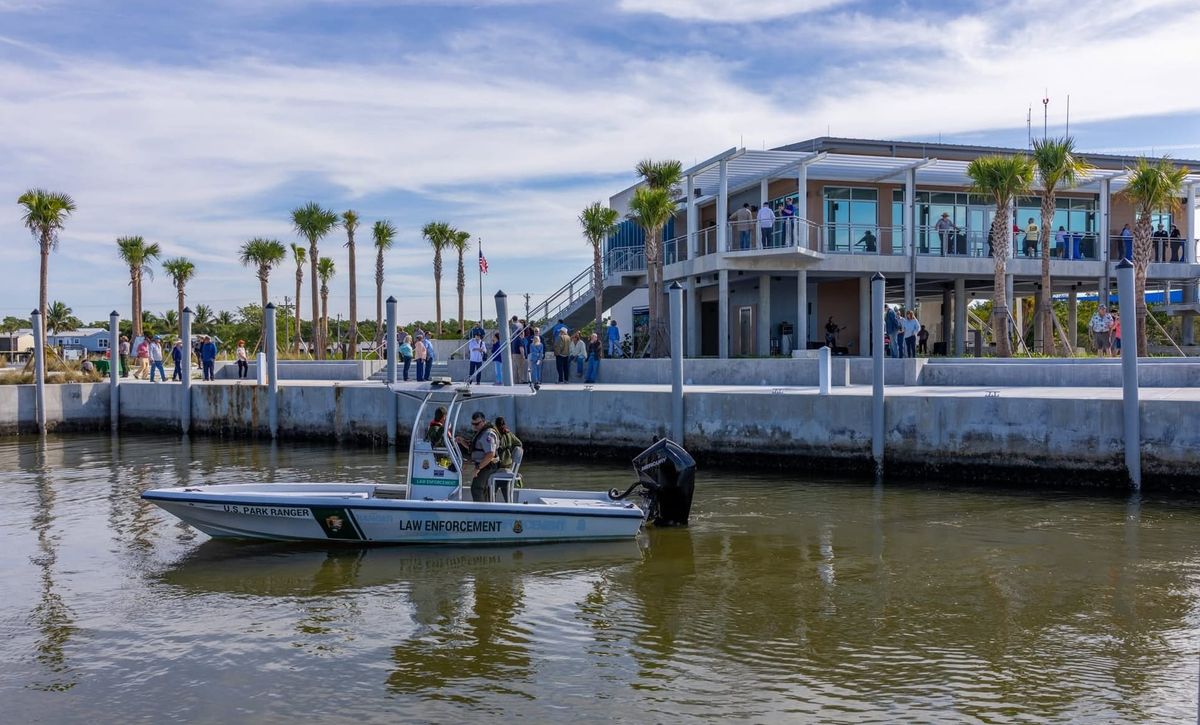
National parks are often associated with mountain trails, wildlife watching, scenic drives and spectacular overlooks. But some of America's finest national park experiences happen on the water. From enormous western reservoirs and mountain lakes to tropical bays and Minnesota waterways, these parks offer outstanding opportunities for anglers and boaters.
The best destinations combine good fishing, interesting boating, beautiful scenery and access to a variety of waterways. Based on those qualities, here are five national parks and national park sites that stand out as places to visit from marinas or private boat slips for rent.
1. Voyageurs National Park, Minnesota
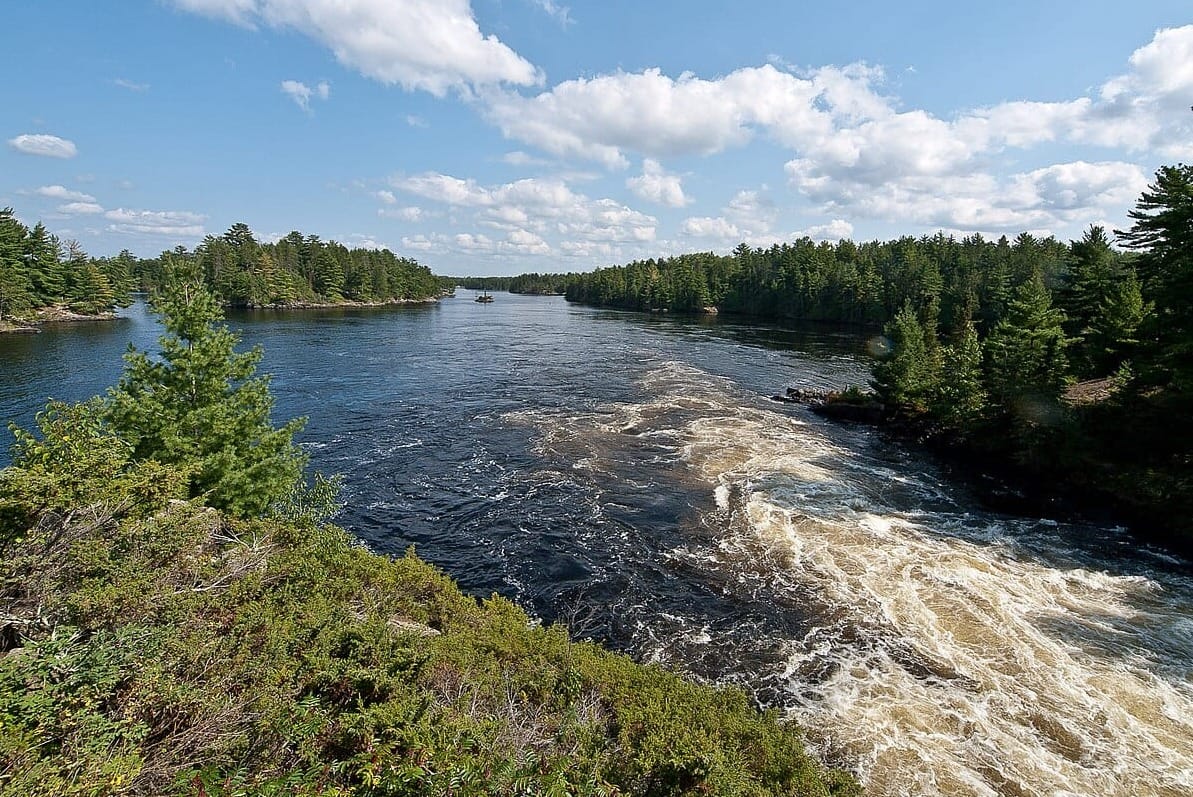
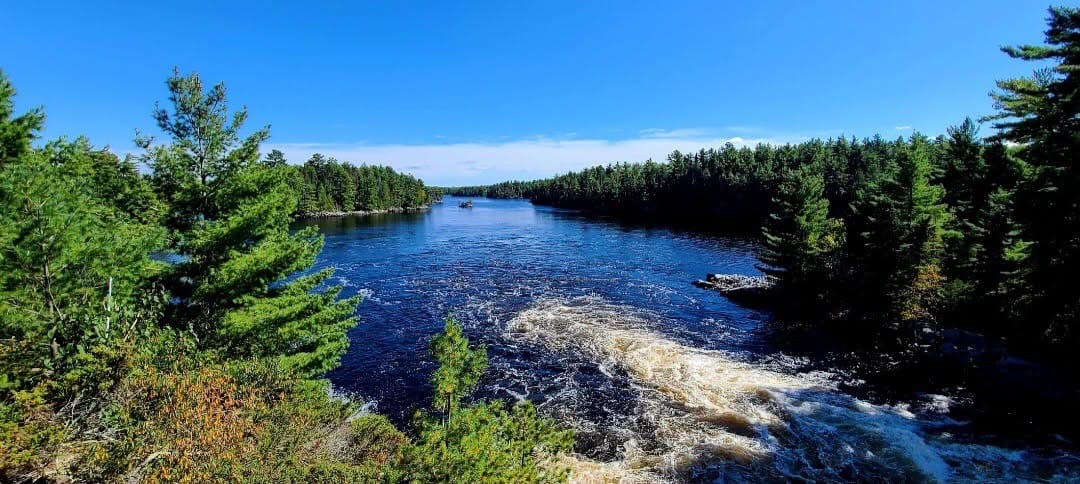
For boaters who want to make the water the centerpiece of their national park vacation, Voyageurs National Park is hard to beat. Located along Minnesota's Canadian border, Voyageurs is a maze of interconnected lakes, islands, bays, rocky shorelines and forests. Water covers a substantial portion of the park, and many of its most interesting places are accessible primarily by boat.
The park's four major lakes are Rainy, Kabetogama, Namakan and Sand Point. They provide extensive opportunities for cruising, fishing, canoeing, kayaking and houseboat trips. Fishing is a major activity. The National Park Service identifies 54 fish species in Voyageurs' aquatic habitats, including walleye, sauger, northern pike, smallmouth bass, yellow perch and black crappie. A Minnesota fishing license is required.
- Best for: Houseboating, walleye fishing, bass fishing, canoeing, kayaking and multi-day wilderness adventures.
2. Everglades National Park, Florida
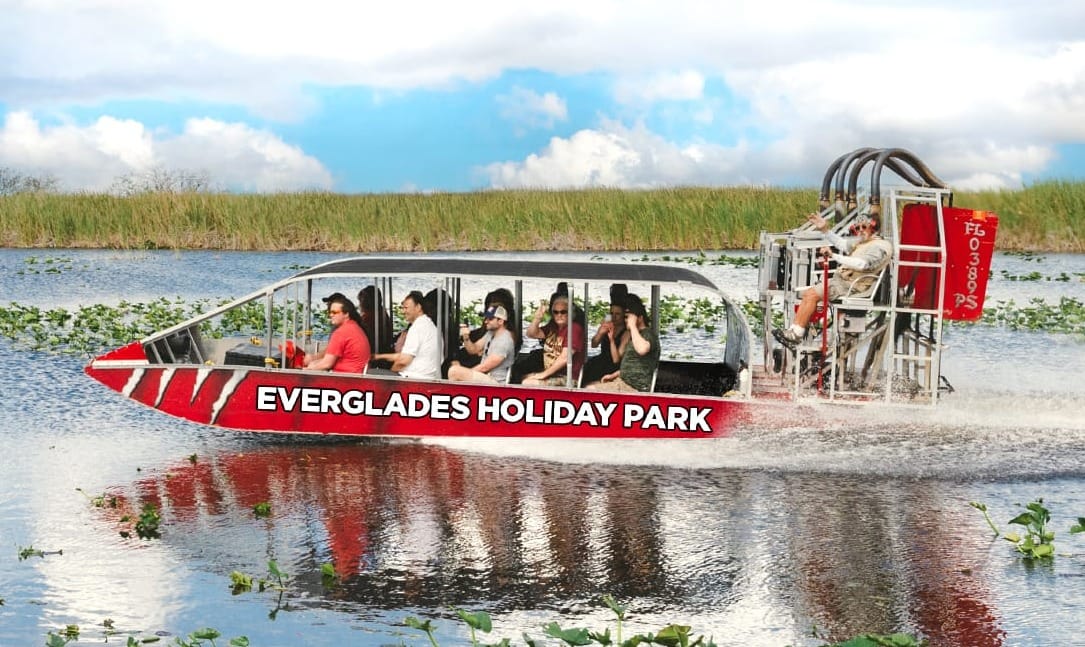
For an entirely different boating experience, head south to Everglades National Park. The Everglades is a vast network of freshwater wetlands, mangrove coastlines, shallow bays, islands and winding channels. About one-third of the park is covered by water, creating extensive opportunities for both boating and fishing. The reward is exceptional. A day on the water can combine fishing with sightings of manatees, dolphins, alligators, sea turtles, wading birds and other wildlife.
Florida Bay is especially popular with anglers. Depending on location, visitors can pursue species such as snapper, sea trout, redfish, bass and bluegill. The park has the unique feature of both freshwater and saltwater. The appropriate Florida fishing license depends on where you're fishing.
Boating here requires more preparation than simply launching a boat and following a shoreline. Shallow water, narrow channels, mud banks, seagrass, sandbars and oyster reefs can make navigation challenging. The National Park Service specifically warns that boaters should be properly prepared and provides navigation tools, boating regulations and information about special-use zones.
- Best for: Saltwater fishing, flats fishing, skiffs, kayaking, wildlife viewing, and exploring remote coastal waterways.
3. Lake Mead National Recreation Area, Nevada and Arizona
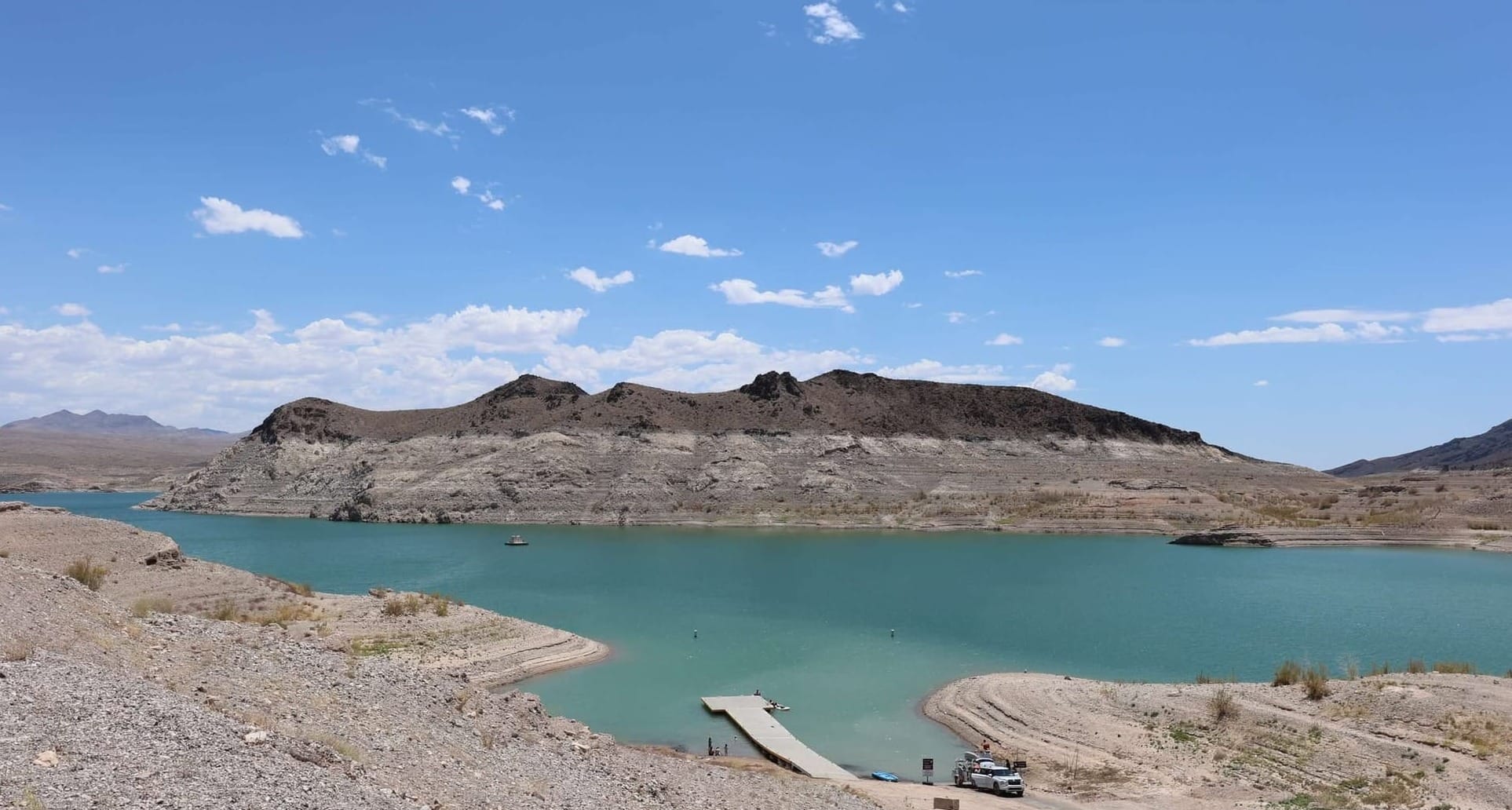
Technically a National Recreation Area rather than a national park, Lake Mead deserves a place on any list of America's premier national-park-system boating destinations. Lake Mead and Lake Mohave provide more than 290 square miles of navigable water within the recreation area.
The desert setting makes Lake Mead especially distinctive. Instead of forests and mountain peaks, boaters cruise beneath dramatic desert cliffs and past colorful canyon walls. Fishing is another major attraction. Lake Mead and Lake Mohave support striped bass, rainbow trout, catfish, largemouth and smallmouth bass, sunfish, crappie and other species. The area is particularly famous for striped bass, with occasional fish exceeding 40 pounds.
One important consideration is the continuing variability of reservoir levels. Changing water levels can affect launch ramps and other infrastructure, so boaters should check current conditions before traveling from a marina or a private boat dock near me for rent.
- Best for: Powerboating, houseboating, striped bass fishing, water sports, and desert scenery.
4. Grand Teton National Park, Wyoming
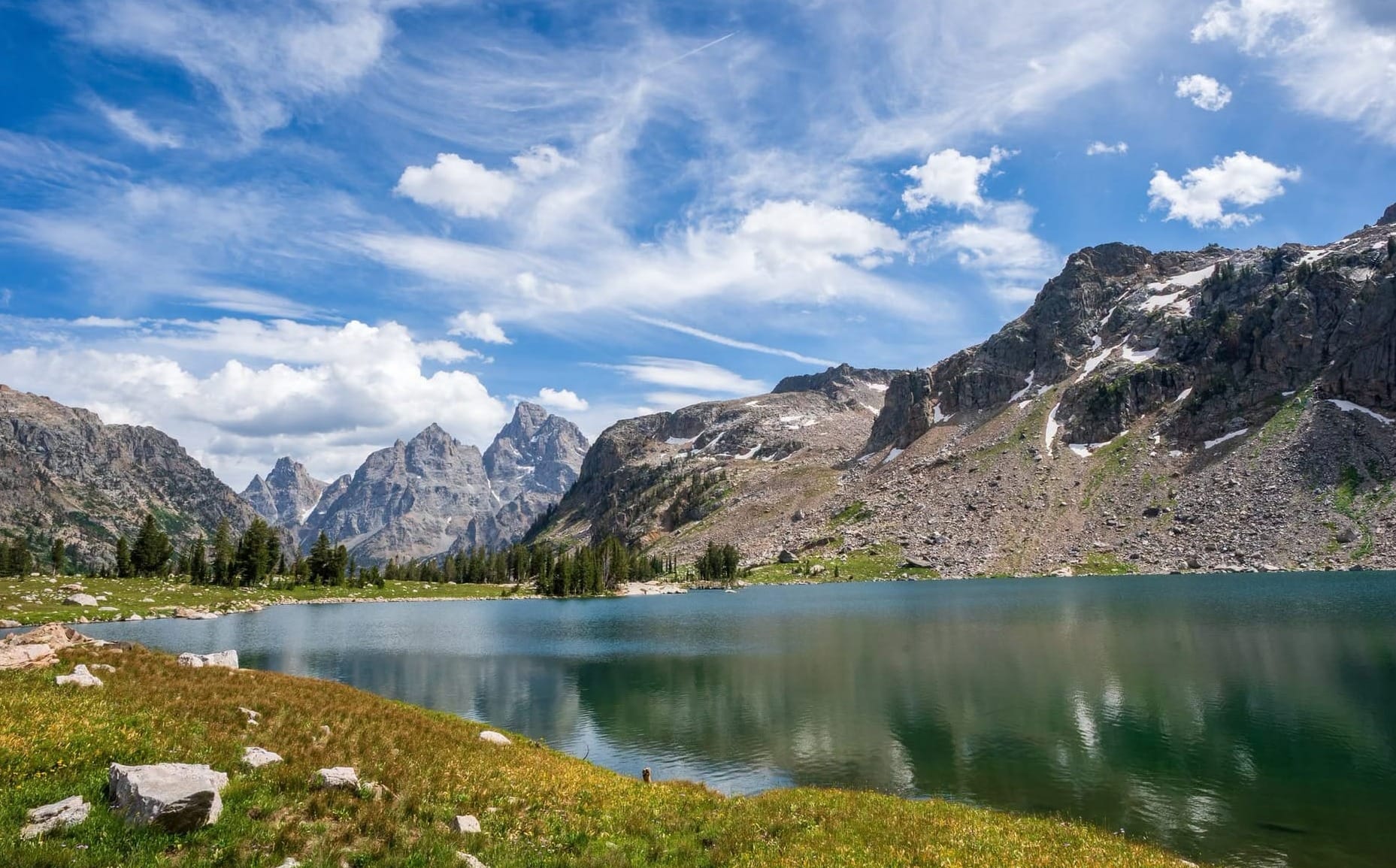
If your idea of a perfect fishing trip involves trout, crystal-clear mountain lakes and enormous snow-covered peaks, Grand Teton National Park should be near the top of your list. Grand Teton offers boating on Jackson, Jenny, String, Emma Matilda, Bradley and Bearpaw lakes, as well as portions of the Snake River. Motorboats are permitted on Jackson Lake and, with a 10-horsepower limit, Jenny Lake. Non-motorized boats have considerably broader access.
Jackson Lake is the centerpiece for larger boats. Its expansive waters provide opportunities for cruising, fishing, kayaking, canoeing and scenic exploration. The lake is surrounded by the dramatic peaks of the Teton Range, making even an ordinary fishing trip feel spectacular. Grand Teton is particularly appealing to families because boating can easily be combined with hiking, wildlife watching, camping and scenic drives.
Fishing is focused heavily on trout. Wyoming fishing regulations apply, and anglers need a Wyoming fishing license. The park's lakes and rivers support several trout species as well as whitefish and other fish.
- Best for: Trout fishing, mountain-lake boating, kayaking, canoeing, family trips, and photography.
5. Yellowstone National Park, Wyoming, Montana and Idaho
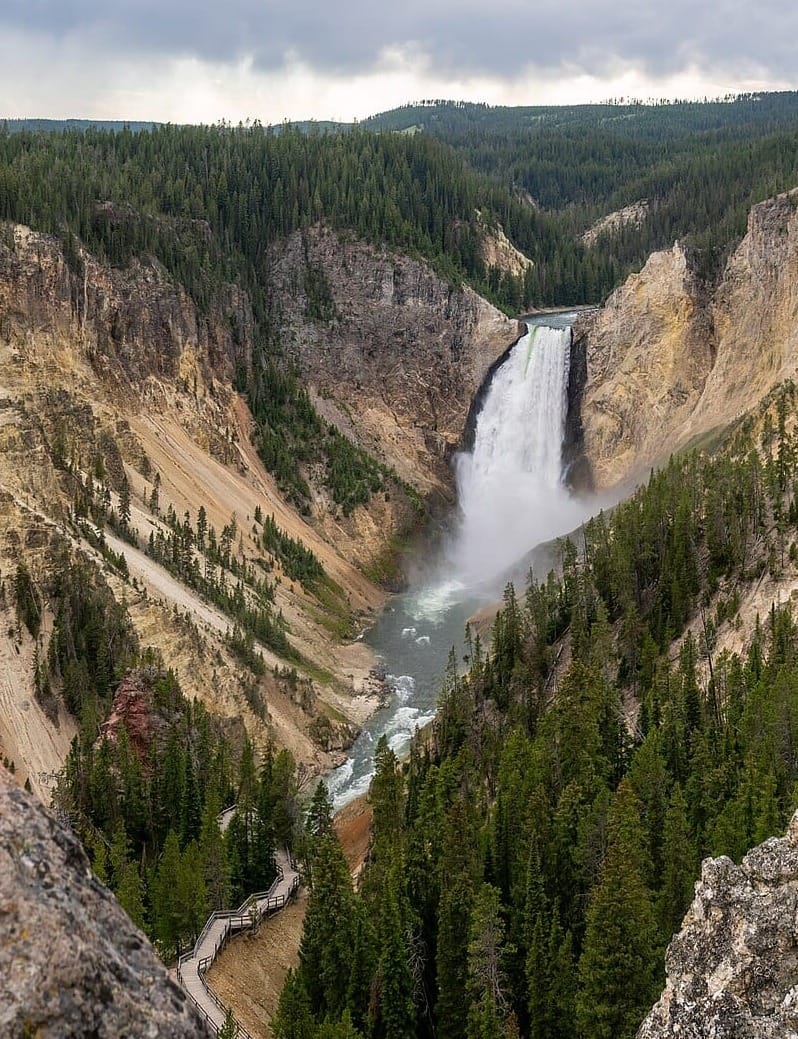
Yellowstone National Park may be best known for geysers and wildlife, but its lakes also provide excellent opportunities for anglers and boaters. The park encompasses Wyoming, Montana and Idaho. Yellowstone Lake is the largest and most prominent boating destination. Lewis Lake and Shoshone Lake also offer opportunities for water-based exploration, while many of the park's rivers and streams are famous for fly fishing.
Boating is permitted on most Yellowstone lakes during the designated boating season, and are subject to permits and inspections. The park currently requires watercraft to undergo aquatic invasive species inspection and registration before launching.
Yellowstone's boating environment can be challenging. The lakes are at high elevation, water temperatures remain extremely cold and sudden winds can create waves of three to five feet. Fishing is equally distinctive. Yellowstone's waters support native and introduced trout species, and anglers can combine a day on the lake with the park's extraordinary scenery and wildlife. For visitors who don't have their own boat, guided trips can provide a safer and easier introduction to the park's waters.
- Best for: Fly fishing, trout fishing, lake boating, wildlife watching and combining boating with Yellowstone's other attractions.
Planning a National Park Boating Trip
The biggest mistake a boater can make is assuming that a national park's water is equivalent to a local lake or river. Regulations can be extensive, and conditions can change rapidly.
Before launching from a private boat lift rental or local marina, check:
- Current boating and fishing regulations
- Required permits and state fishing licenses
- Boat-launch conditions
- Aquatic invasive species requirements
- Weather and wind forecasts
- Water levels and navigational hazards
- Seasonal closures
- Life-jacket and safety requirements
- Fuel availability and marina services
- Wildlife restrictions
Rules also vary considerably between parks. For example, Everglades boaters must complete the park's Boater Education Program, while Grand Teton requires a boat permit for watercraft.
Ultimately, the best destination is the one that matches your boat, fishing style, experience level and appetite for adventure. Whichever you choose, boating allows you to experience these protected landscapes from a perspective that visitors on shore can’t get.