VHF Radio Skills Every Intermediate Boater Should Know

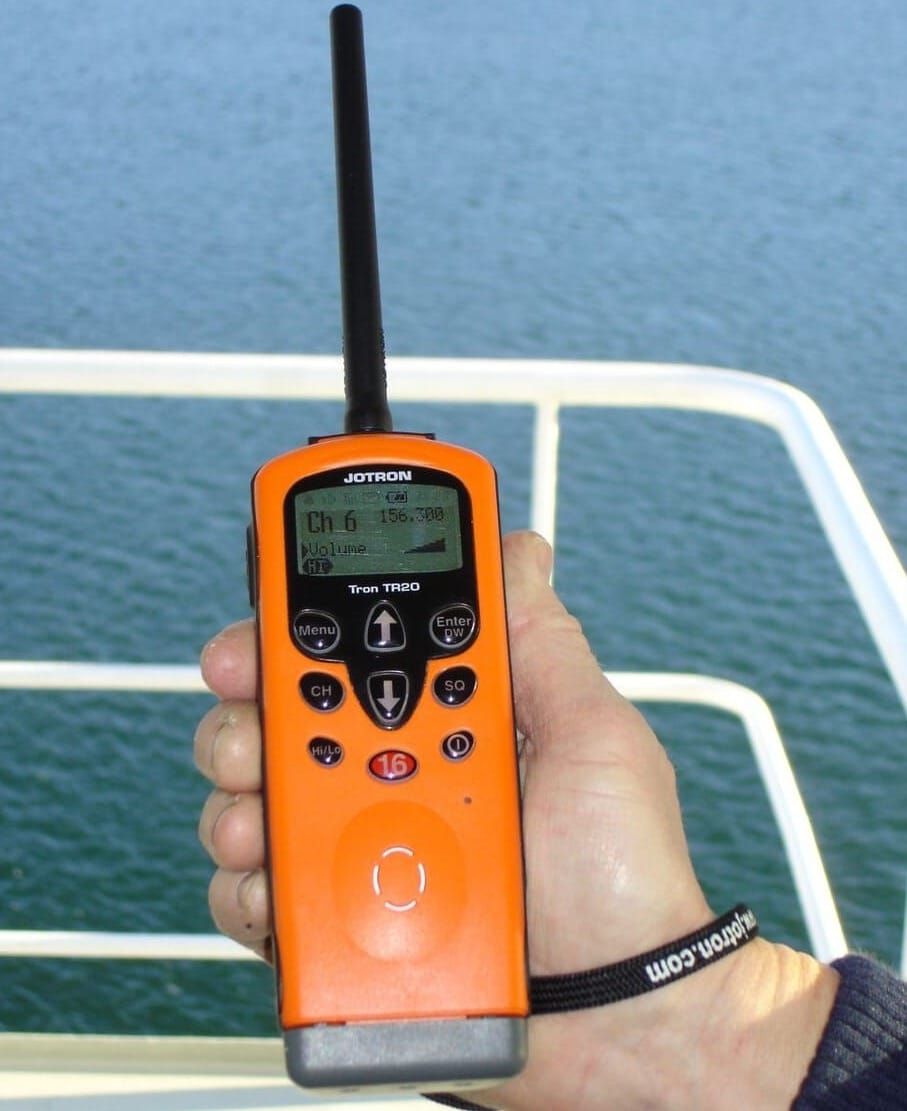
A VHF marine radio is one of the most important communication tools aboard a recreational boat. It can be used to contact other vessels, communicate with marinas and bridges, receive weather information and call for assistance during an emergency. Intermediate boaters should know more than how to turn on the radio and select a channel. Understanding proper procedures and radio etiquette can make communications faster, clearer and more effective when conditions become challenging. Following are some tips to brush up on while hanging out at the marina or private boat dock for rent.
Know the Important Channels
Knowing which channels to use (and when to switch channels) is a fundamental VHF skill. Channel 16 is the international distress, safety and calling channel. It’s used for emergency traffic and for initially contacting another vessel or station when another working channel has not been established.
After making contact on Channel 16, boaters should normally move to an appropriate working channel to continue the conversation. Channel 9 is also designated as a calling channel in U.S. waters and may be used for recreational communications where appropriate.
Boaters should also become familiar with local channels used by marinas, bridges, locks, vessel traffic services and other facilities along their usual routes. A current marine VHF channel guide or regional boating guide can help identify local assignments.
Practice Clear Radio Procedures
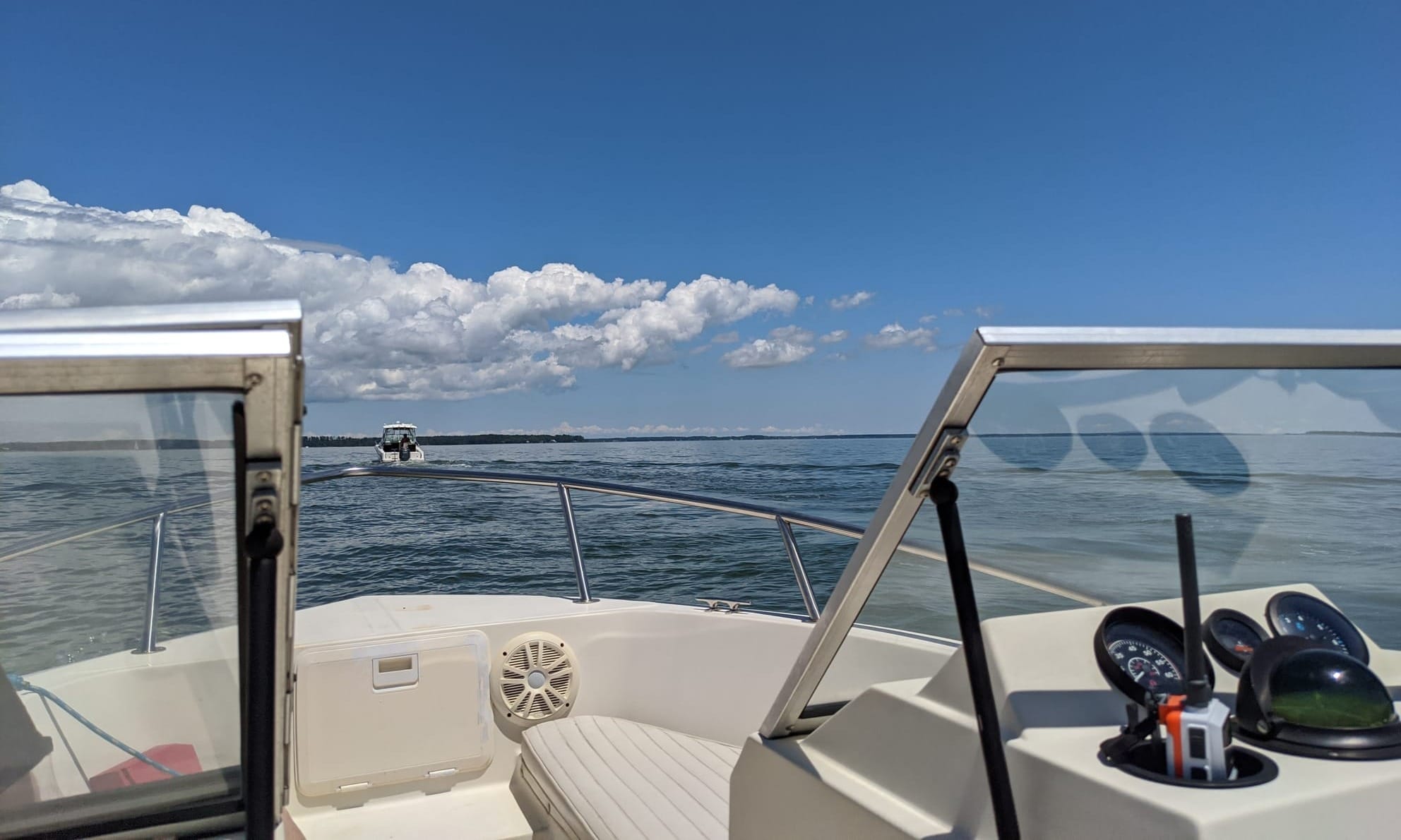
VHF communication should be brief, organized and easy to understand. Before transmitting, listen to make sure the channel is not already being used. When calling another vessel, state its name followed by your own vessel's name and repeat the call if necessary.
For example: "Sea Breeze, Sea Breeze, this is Wanderer, over."
Once contact is established, move to a working channel when appropriate. Avoid lengthy conversations on Channel 16, since it needs to remain available for distress and safety communications.
Speak slowly and clearly, particularly when giving names, locations, numbers or navigational information. The phonetic alphabet (Alpha, Bravo, Charlie, Delta and so forth) can help prevent misunderstandings with vessel names, coordinates, registration numbers and other critical information.
Understand the Three Emergency Calls
Intermediate boaters should know the difference between Mayday, Pan-Pan and Sécurité.
- Mayday indicates grave and imminent danger requiring immediate assistance, such as a sinking, fire or serious medical emergency.
- Pan-Pan is used when a vessel or person faces an urgent situation but there is no immediate threat to life. A disabled boat drifting toward danger may warrant a Pan-Pan call.
- Sécurité is used to transmit important safety information to other vessels, such as navigational hazards, significant weather information or a floating object that could pose a danger.
A Mayday call should include the vessel's name, position, nature of the emergency, type of assistance needed, number of people aboard and other information that could help rescuers locate and assist the vessel.
Know How to Give Your Position
A radio call for assistance is only useful if rescuers can find you. Boaters should know how to read their GPS position and communicate it accurately over the radio. Practice reading your position aloud, either at the marina or a private boat slip near me for rent, before an emergency occurs. Familiarity can reduce confusion when stress is high.
Latitude and longitude should be given slowly and clearly, including whether the coordinates are north or south and east or west. It is also helpful to describe the vessel's location using recognizable landmarks, navigational aids, channels or nearby geographic features.
Use DSC and Keep It Updated
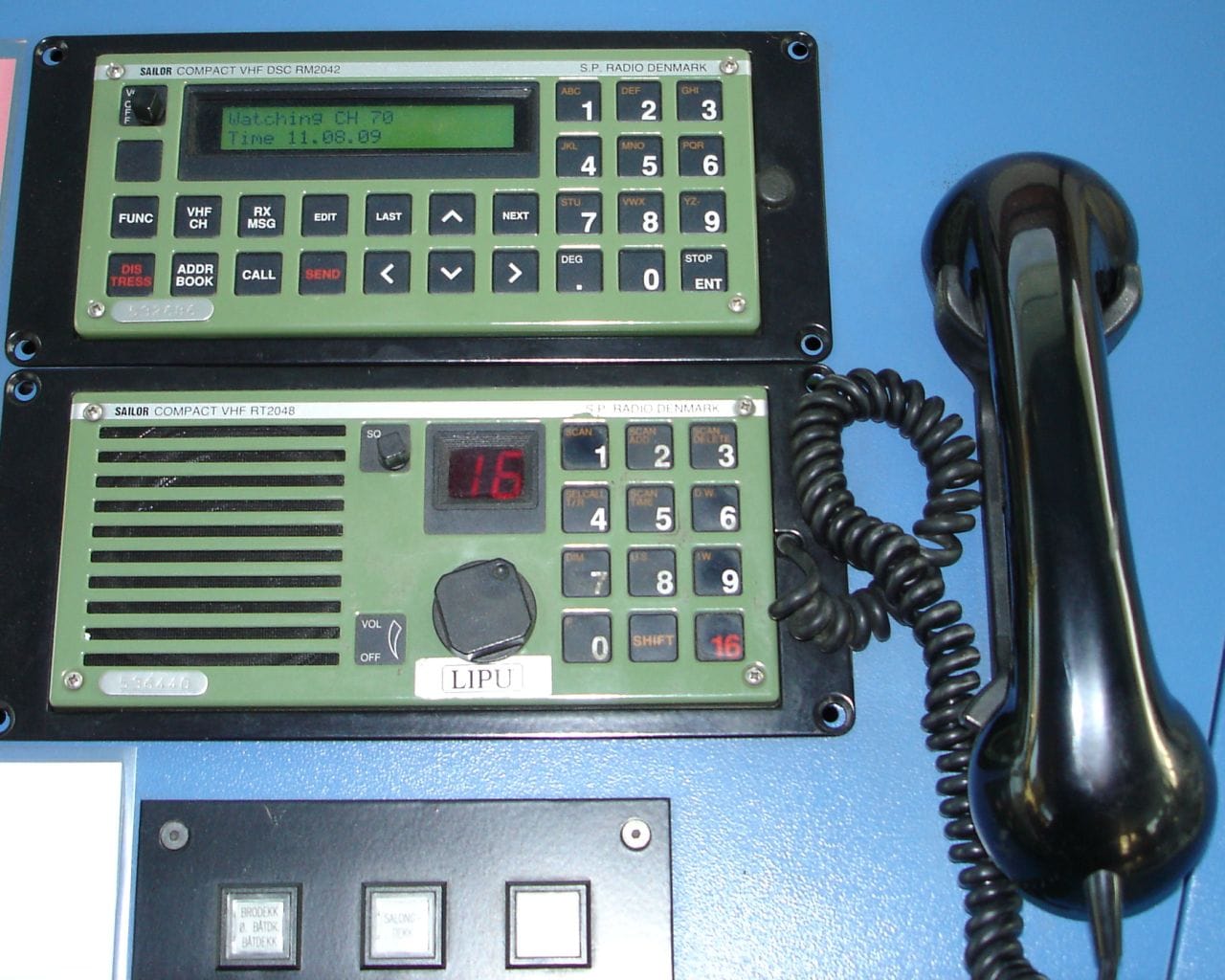
Modern VHF radios equipped with Digital Selective Calling (DSC) provide an additional emergency communication capability. A DSC distress alert can transmit a vessel's identity and, when properly connected to a GPS, its position.
Boaters should ensure their radio is programmed with the vessel's Maritime Mobile Service Identity (MMSI) number and that the GPS is correctly connected. Check the radio's manual for instructions on registering and testing DSC functions. A DSC distress alert does not replace a voice Mayday call. When possible, follow the digital alert with a voice transmission on Channel 16 describing the emergency.
Monitor Weather and Safety Traffic
VHF radios can provide access to marine weather broadcasts and safety information. Monitoring appropriate channels can help boaters stay aware of approaching storms, strong winds, hazardous conditions and other navigational concerns. Some areas also have automated weather broadcasts or Coast Guard safety information. Knowing which channels provide these services along a planned route can be particularly valuable during longer trips away from the marina or private boat lift rental.
Practice Before You Need It
VHF skills become most valuable when something goes wrong. Intermediate boaters should periodically practice making routine calls, changing to working channels, reading GPS coordinates, using the phonetic alphabet and locating the DSC distress controls.
A properly installed and maintained VHF radio, combined with good communication habits, gives boaters a reliable link to other vessels and shore-based assistance. The goal is not simply knowing what buttons to push, but being able to communicate accurately and confidently when every word matters.
5 VHF Mistakes to Avoid
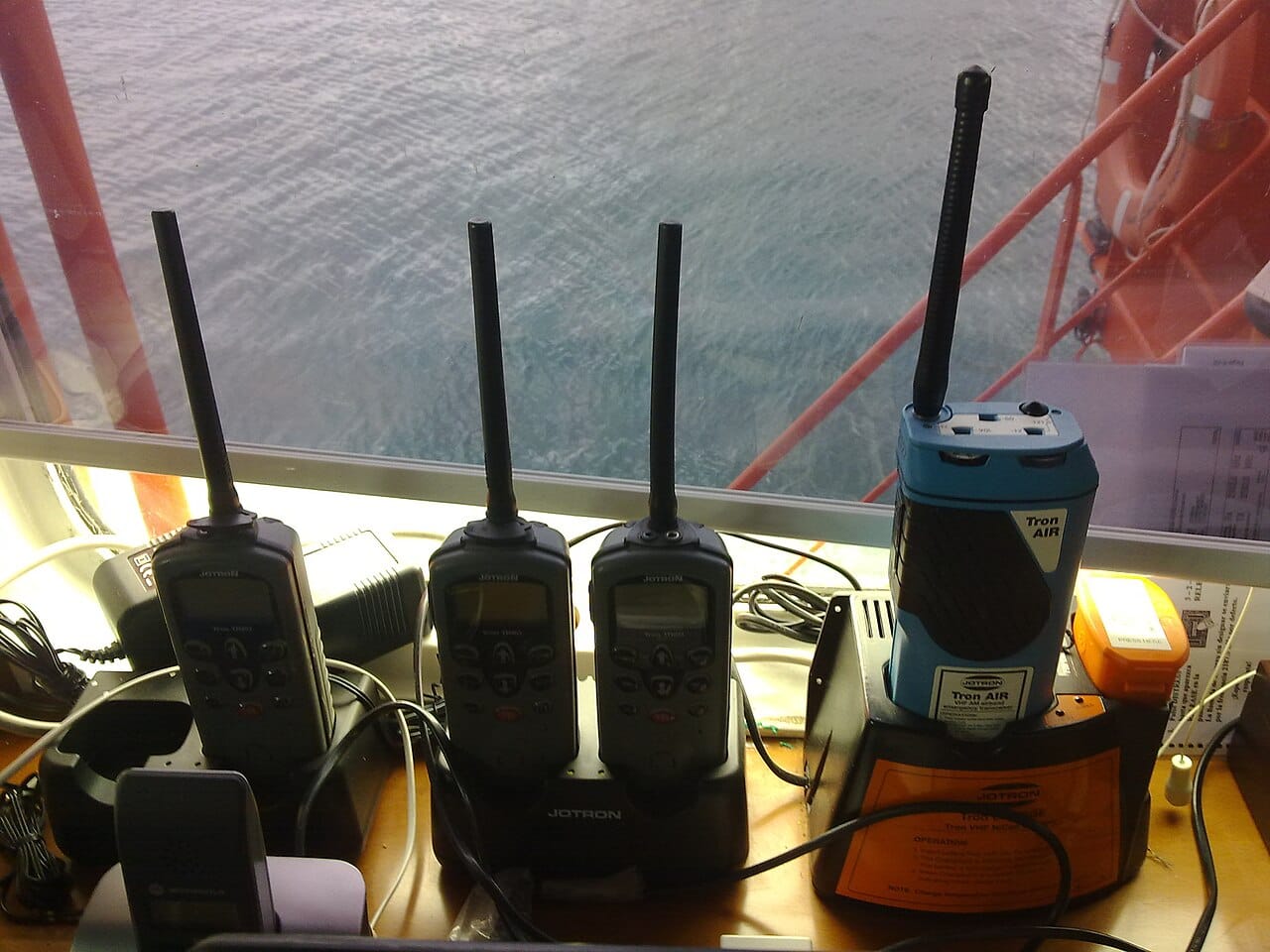
Even experienced boaters can develop poor radio habits. Avoiding these common mistakes helps keep marine communications clear and ensures the radio remains available when someone needs assistance.
1. Using Channel 16 for Routine Conversations
Channel 16 is reserved for distress, safety and calling. After establishing contact with another vessel, move to an appropriate working channel. Long conversations and casual radio traffic can interfere with important safety communications.
2. Transmitting Without Listening First
Before pressing the transmit button, listen to make sure the channel is clear. Accidentally talking over another vessel can cause missed information and unnecessary confusion. Keep transmissions brief and release the microphone when finished speaking.
3. Giving an Unclear Position
In an emergency, saying you are "somewhere near the inlet" is not enough. Know how to obtain your latitude and longitude from the GPS and communicate the coordinates slowly and accurately. Be prepared to supplement them with nearby landmarks, navigation aids, channels or other identifying features.
4. Forgetting to Program the MMSI
A Digital Selective Calling (DSC)-equipped radio needs the vessel's correct Maritime Mobile Service Identity (MMSI) number to take full advantage of its digital calling and distress capabilities. Make sure the MMSI is entered correctly and that the radio is connected to the boat's GPS when applicable.
5. Relying on VHF as a Substitute for Preparation
A VHF radio is an important safety tool, but it doesn’t eliminate the need for proper trip planning. Know the weather forecast, navigation hazards, local channels, emergency procedures and the capabilities of your equipment before leaving the dock or private boat lift for rent. A radio is most effective when the operator already knows how to use it.