Adventures in Boating: The North Sea

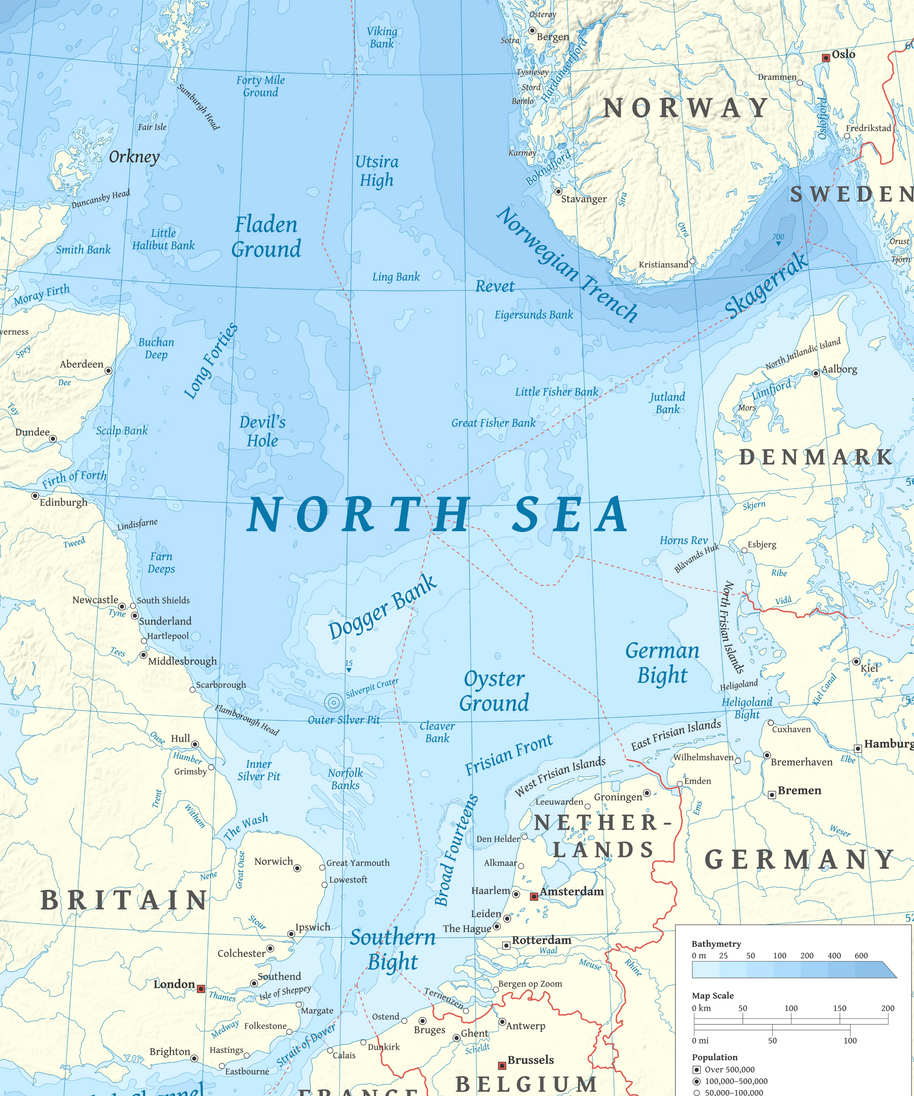
The North Sea, bordered by the United Kingdom, Norway, Denmark, Germany, the Netherlands, Belgium and France, offers a varied boating environment shaped by rugged coastlines, busy commercial shipping routes, offshore islands and historic coastal communities. From exploring sheltered Dutch waterways near the sea to navigating the open waters off Scotland and Norway, boaters can experience striking scenery and diverse maritime destinations. However, the North Sea also presents challenges that require careful planning, suitable equipment and an understanding of local conditions before ever leaving a marina or private boat dock for rent.
Understanding North Sea Conditions
The North Sea is known for changeable weather, strong winds, powerful tidal currents and steep waves. Conditions can deteriorate quickly, particularly during autumn and winter storms. Even in summer, calm weather can give way to rough seas, making regular forecasts and passage planning essential.
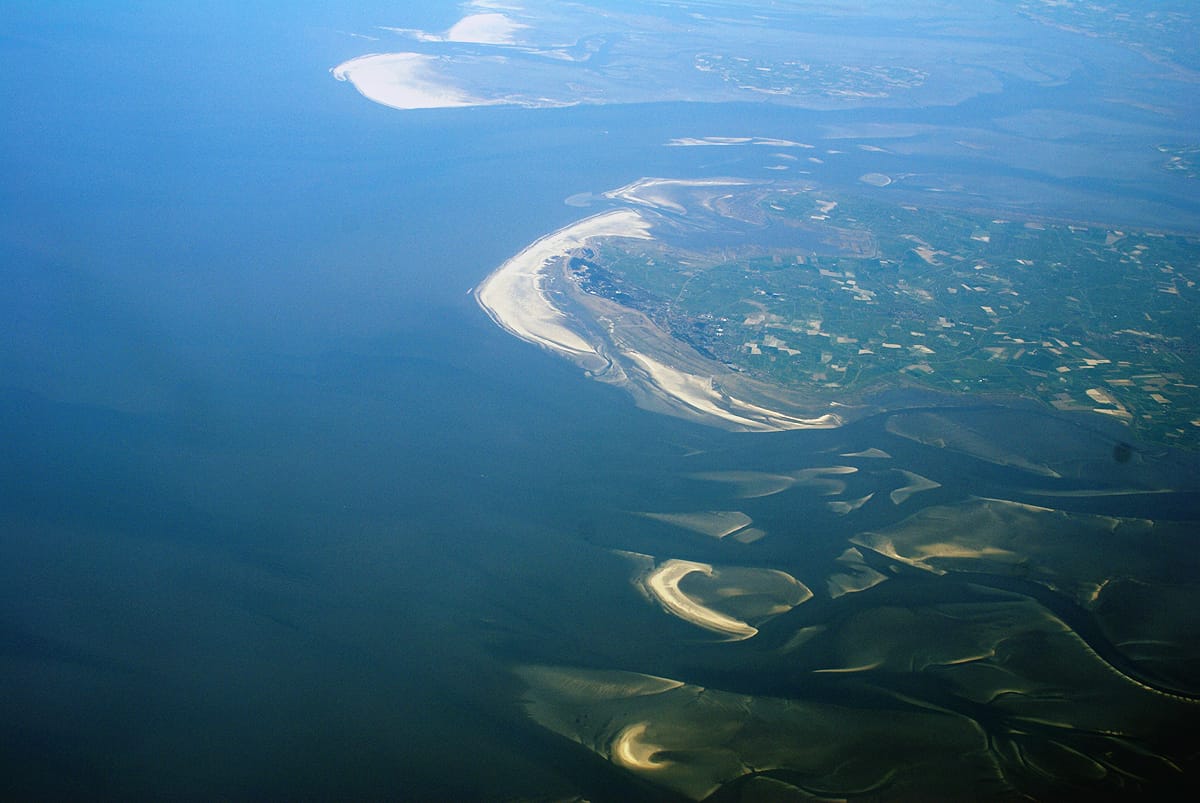
Tides are an important consideration, especially along the eastern coast of Britain and around the shallow waters of the Netherlands, Germany and Denmark. Tidal streams can influence boat speed, affect maneuverability and create hazardous conditions near headlands, sandbanks and harbor entrances. Consult appropriate nautical charts, tide tables and current atlases before departure.
Water temperatures can remain cold throughout the year, increasing the risk of cold-water shock and hypothermia following an unexpected fall overboard. Suitable clothing, properly fitted life jackets and effective man-overboard procedures are important precautions.
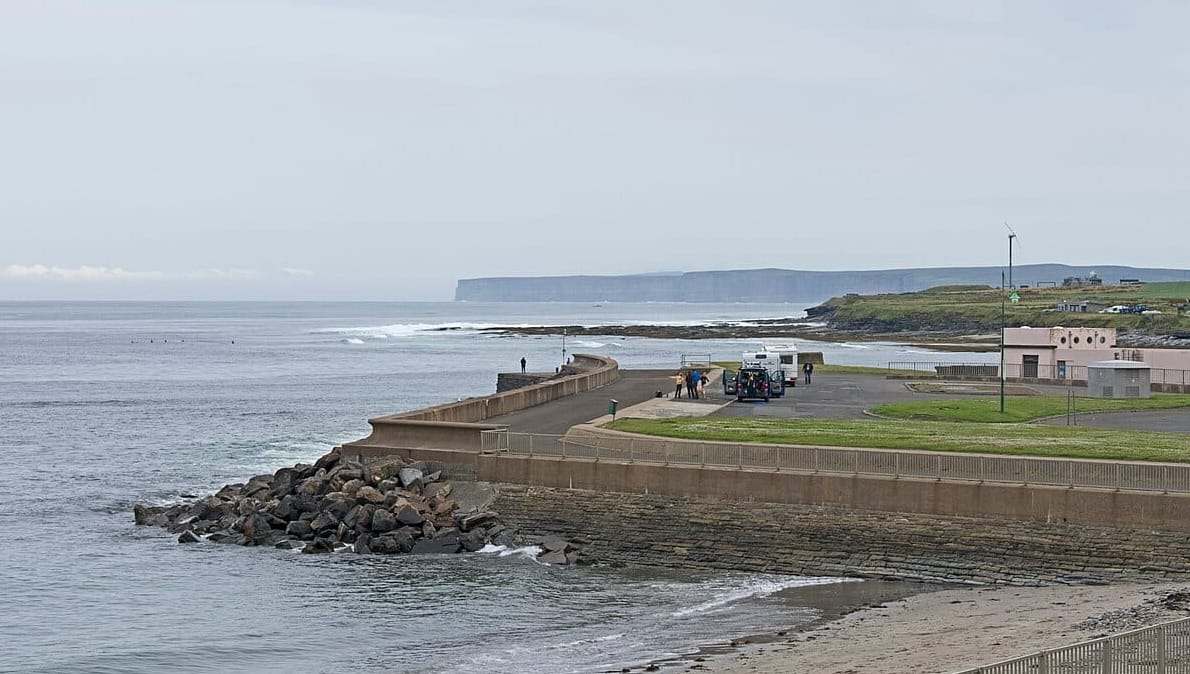
Choosing a Boat for North Sea Cruising
The right vessel depends on the planned route, distance offshore, expected weather and experience of the crew. A seaworthy sailboat or appropriately equipped motor cruiser can be suitable for coastal passages, while longer offshore journeys demand greater range, robust construction, reliable propulsion and comprehensive safety equipment.
Before departing, inspect the engine, steering system, fuel supply, electrical equipment, bilge pumps and navigation lights. Sailboats should have serviceable standing and running rigging, while motorboats need sufficient fuel reserves to account for adverse winds, currents and detours.
Before leaving a marina or private boat lift rental, stow proper navigation equipment, including GPS or a chartplotter, radar where appropriate and an automatic identification system (AIS) suitable for the vessel and voyage. Paper charts or an independent backup navigation method can prove valuable if electronic equipment fails.
Navigating Busy Shipping Lanes
Commercial shipping is one of the defining features of North Sea navigation. Major ports, including Rotterdam, Antwerp, Hamburg and the British ports of Hull and Immingham, serve extensive international trade networks. Large vessels may have limited maneuverability and require considerable distance to alter course or stop.
Traffic separation schemes organize vessel movements in designated areas. Recreational boaters should identify these routes on current charts, understand the applicable Collision Regulations (COLREGs) and avoid crossing shipping lanes unnecessarily. When crossing is necessary, do so at a course as nearly as practicable at right angles to the general direction of traffic.
AIS and radar can help identify approaching vessels, but neither replaces a proper visual and auditory lookout. Maintain a safe speed, monitor VHF radio communications, and remember that large ships may have difficulty detecting small recreational boats, particularly in poor visibility.
Ports, Harbors and Coastal Destinations
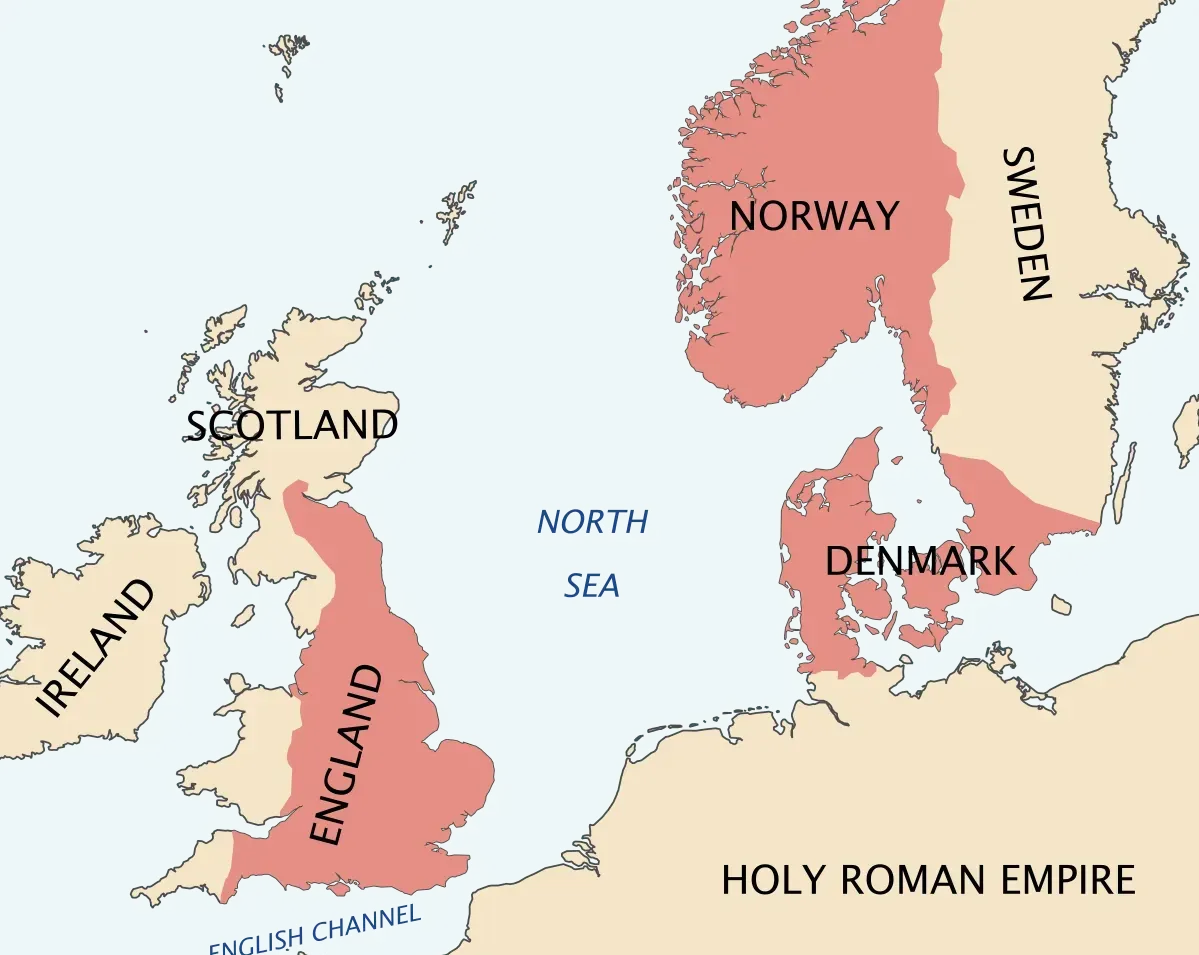
North Sea cruising provides access to destinations with distinct maritime character. Britain's east coast features historic ports, seaside towns and estuaries, while Scotland's northeastern coastline offers fishing harbors and access to the Northern Isles. Norway's southwestern coast provides dramatic scenery and sheltered coastal passages, although local geography and weather require careful attention.
Across continental Europe, the Dutch and German coastlines feature extensive tidal waterways, islands and designated recreational boating areas. Denmark's western coast offers access to North Sea harbors and nearby coastal destinations, while Belgium provides marina facilities and connections to coastal towns.
Harbor availability, entry depths, and operating restrictions vary by location and season. Before arriving, check local notices to mariners, marina information, entrance depths and tidal access requirements. Some ports may have restricted entry during strong winds or unfavorable tides.
Safety and Passage Planning
A successful North Sea voyage begins well before departure from marinas or private boat slips near me for rent. Review marine forecasts, wave heights, visibility and expected wind direction. Establish alternative ports of refuge and calculate passage times using both tidal effects and realistic vessel speeds.
Carry appropriate life-saving equipment, including life jackets, a throwable flotation device, and a suitable emergency position-indicating radio beacon (EPIRB) or personal locator beacon (PLB), as appropriate for the voyage. A waterproof handheld VHF radio provides useful backup communications. Ensure crew members know how to operate the radio, issue a distress call and respond to a man-overboard emergency.
File a passage plan (float plan) with a responsible person ashore and establish check-in procedures. Keep a close watch on fatigue, particularly during overnight passages or prolonged periods of rough weather. Skippers should be prepared to delay departure or divert when conditions exceed the vessel's or crew's capabilities.
Respecting the North Sea Environment
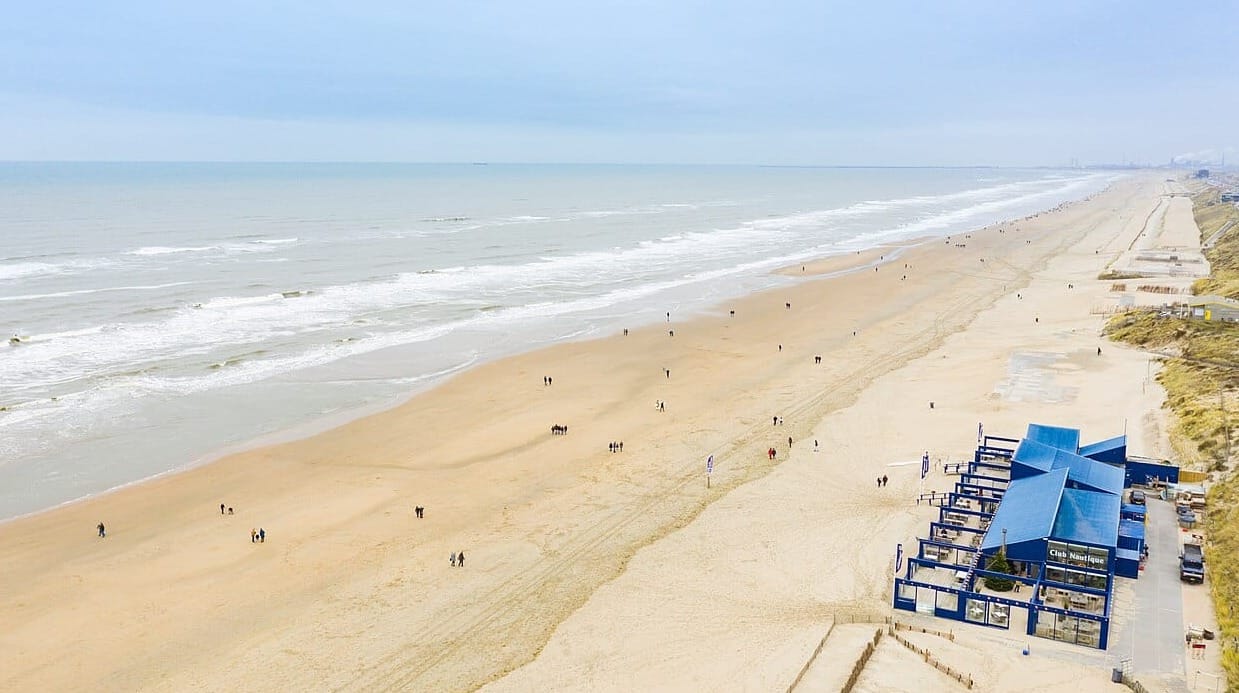
The North Sea supports important marine habitats and commercial fisheries, making responsible boating essential. Observe speed limits and wildlife protection rules, avoid disturbing seabirds and marine mammals and dispose of waste at appropriate facilities. Fueling carefully and maintaining engines also help reduce pollution.
With sound preparation, suitable equipment and respect for changing conditions, the North Sea can offer rewarding coastal cruising and offshore adventures. Its combination of historic harbors, varied coastlines and busy maritime traditions makes it an appealing destination for experienced recreational boaters who understand the demands of this dynamic sea.