Adventures in Boating: The River Thames


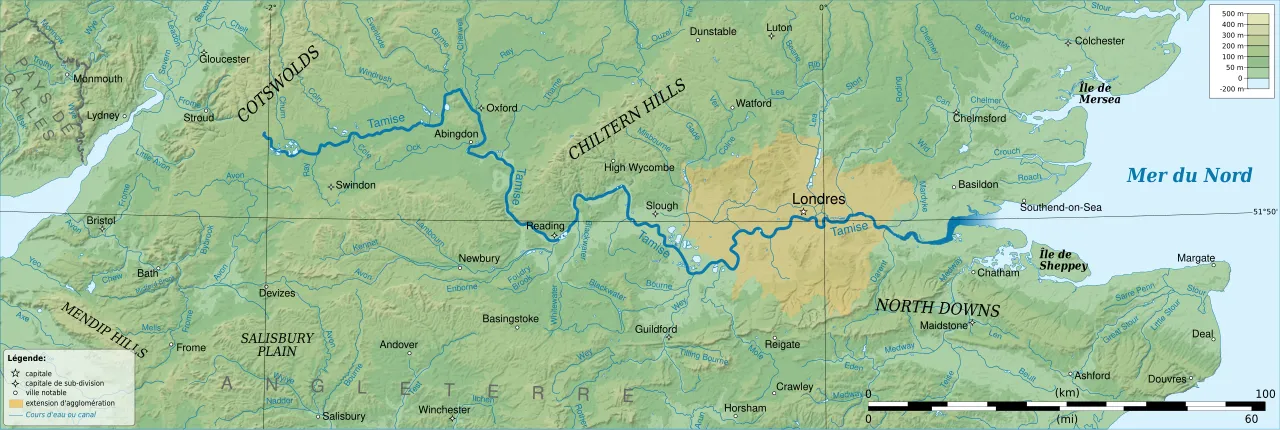
The River Thames is one of Britain's most famous waterways and one of its most varied boating destinations. From its rural beginnings in Gloucestershire to the historic university city of Oxford, the elegant towns of the Thames Valley and the bustling heart of London, the river offers an extraordinary range of experiences. At 315 miles in length, it's the longest river entirely in England and the second-longest in the UK (the Severn is the longest).
For recreational boaters, the Thames can mean anything from a quiet day aboard a small motorboat to a multi-day cruise aboard a narrowboat or river cruiser. The scenery changes constantly, locks provide a distinctive rhythm to a journey and historic towns, pubs, villages, gardens and landmarks make frequent stops possible.
The river is also a working waterway, however, and boating requires an understanding of navigation rules, locks, currents, moorings and local conditions, whether you’re just out for the day or on an extended cruise from a private boat lift for rent or marina.
Two Very Different Thames Rivers
For boating purposes, the Thames is broadly divided into non-tidal and tidal sections. The Environment Agency manages the non-tidal Thames from Cricklade Bridge through Teddington Lock. A short section below Teddington is tidal before responsibility transitions to the Port of London Authority.
The non-tidal river is the part most associated with leisurely inland cruising. It winds through countryside and historic communities and contains the famous series of navigation locks that allow boats to travel between different water levels.
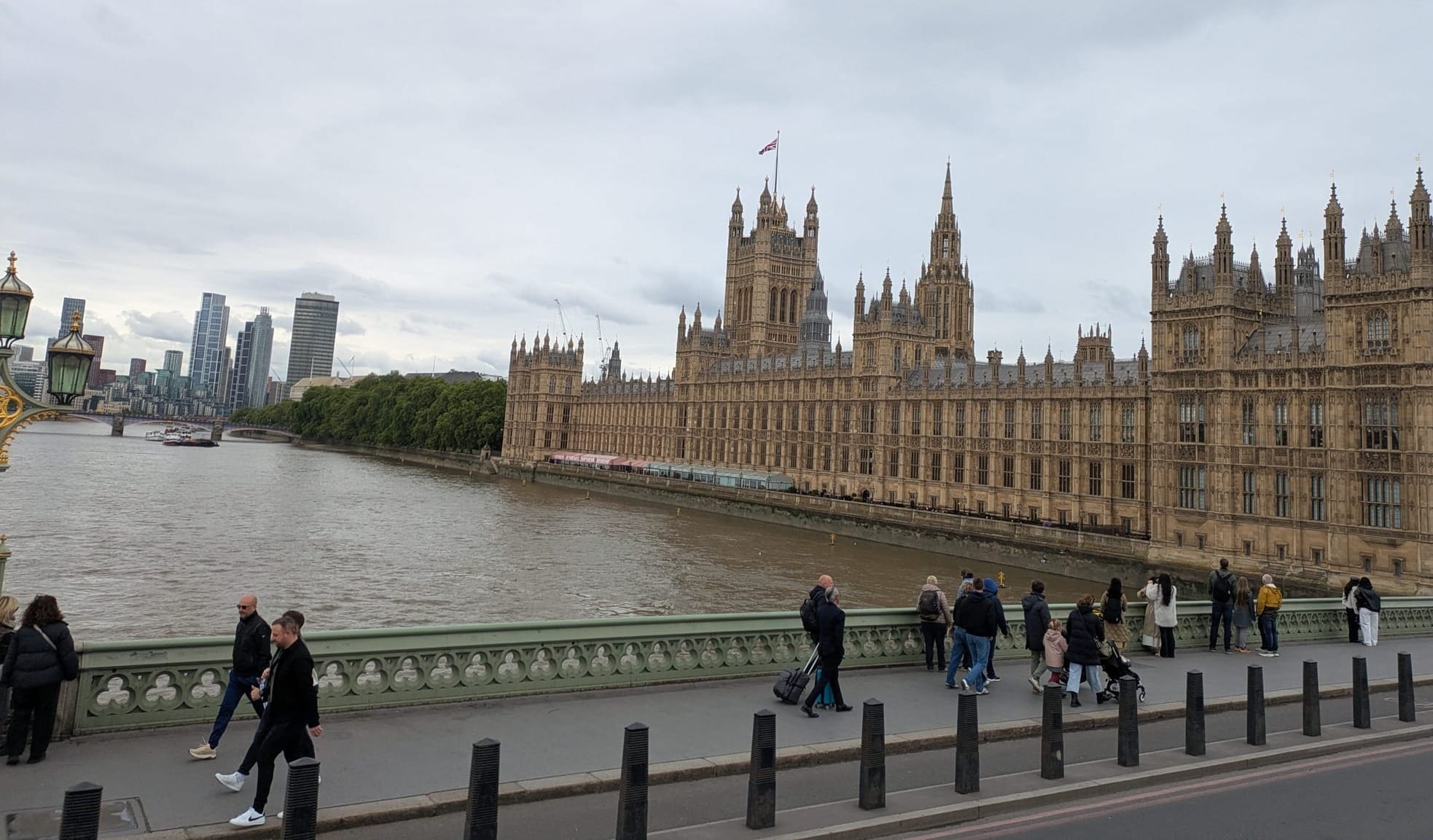
The tidal Thames is an entirely different proposition. Once below Teddington, boaters enter an environment influenced by the tide, stronger currents, commercial shipping, bridges and the dense urban landscape of London. It can be an exhilarating journey, but it demands considerably more navigation awareness and preparation.

The Upper Thames
The Thames begins as a small river in the Cotswolds and has a distinctly rural character. Towns such as Lechlade and Cricklade provide access to this quieter end of the waterway. Lechlade is traditionally regarded as the head of navigation for larger cruising boats. Above it, the river becomes progressively narrower and more challenging, making the uppermost Thames more appropriate for smaller craft, canoes, paddleboards and experienced boaters. The scenery here is one of the great attractions. Meadows, willows, small villages, bridges and farmland create an environment far removed from the metropolitan Thames found further downstream.
Oxford and the Thames Valley
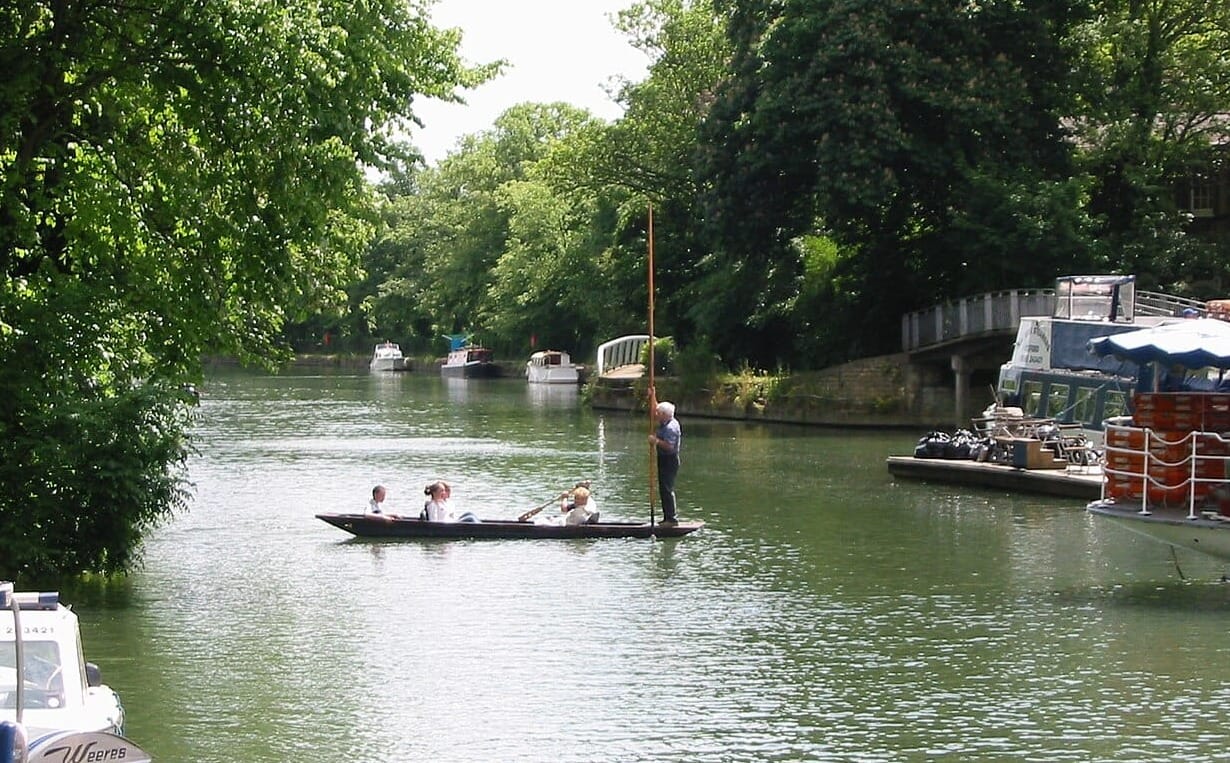
Oxford is one of the river's most rewarding destinations. The Thames (known locally as the Isis around Oxford) passes through a landscape associated with the University of Oxford, historic colleges, rowing, meadows and riverside pubs. A cruise around Oxford can be combined with time ashore to explore the city, although boaters should be conscious of local navigation arrangements and the busy rowing environment.
South and east of Oxford, the river continues through a series of attractive towns and villages. Abingdon, Wallingford and Henley-on-Thames are among the best-known stops. Abingdon has a long association with the river and provides access to the historic town centre. Wallingford offers another attractive overnight destination, while Henley is internationally famous for rowing and its annual Henley Royal Regatta.

Henley and the Middle Thames
The section around Henley-on-Thames is particularly appealing to recreational boaters leaving a private boat dock for rent. The river passes through wooded hills and attractive countryside, while the town provides restaurants, pubs, shops and historic buildings within easy reach of the waterfront.
Further downstream, Marlow is another popular stop. The town's riverside setting, elegant suspension bridge, restaurants and surrounding countryside make it a natural destination for a day cruise or overnight stay. The middle Thames is perhaps the river at its most traditionally English. Green banks, historic houses, church towers, riverside pubs, rowing boats and villages appear around successive bends.
Windsor and the Lower Non-Tidal Thames
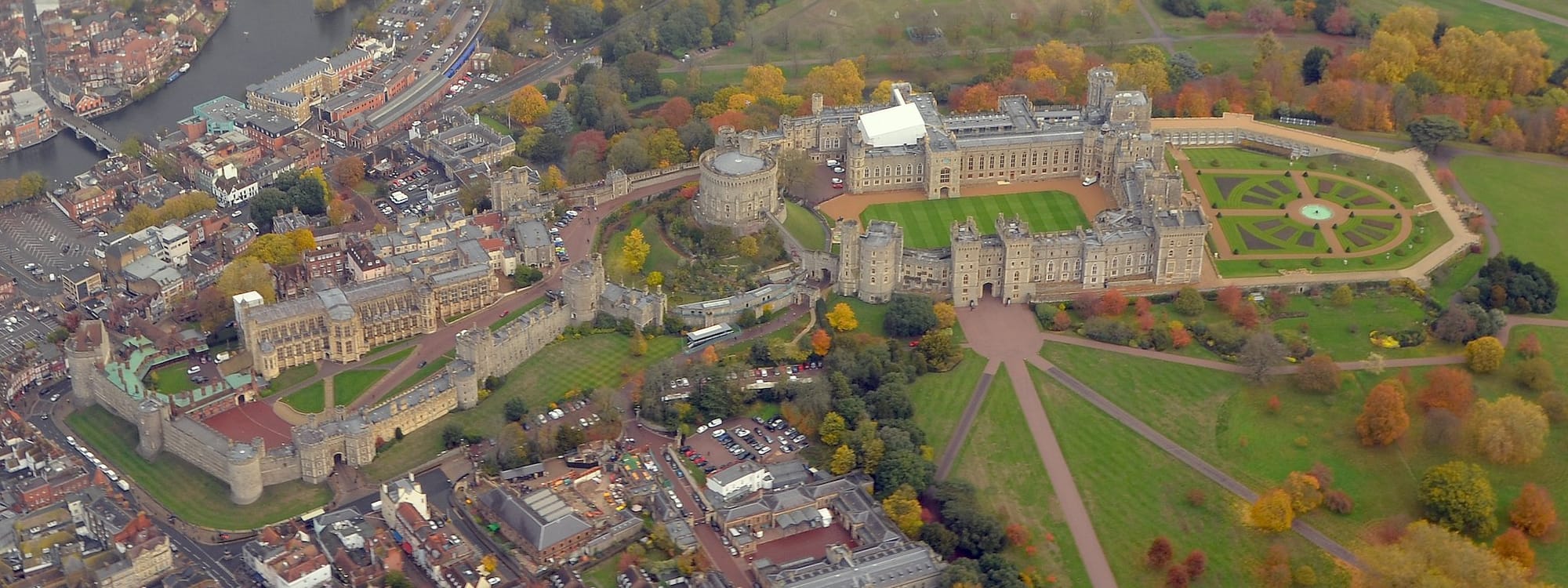
Windsor provides one of the Thames's most recognizable landmarks: Windsor Castle. Approaching the town from the water offers a memorable perspective on the castle and the surrounding historic landscape. The river then continues through areas including Eton, Maidenhead and Staines before reaching Teddington Lock.
This section tends to become progressively busier as London approaches. Marinas, residential developments, bridges, rowing clubs, commercial facilities and recreational boats share the waterway.
Locks: The Rhythm of a Thames Cruise
Locks are central to boating on the non-tidal Thames. They allow boats to overcome changes in elevation and are one of the defining features of a Thames cruise. Environment Agency lock keepers operate many locks during designated hours. When a keeper is not on duty, boaters may operate some locks themselves, following the instructions posted at the site. The Environment Agency specifically advises boaters to remain close to the sluice controls while operating them and to close the lock properly after use.
For newcomers, the first few locks can seem intimidating, but the process becomes straightforward with experience. Crew members typically help with ropes and fenders while the person at the helm maintains control of the boat. Lock passages also create opportunities to meet other boaters. On busy summer days, several boats may wait together, creating a distinctly social atmosphere.
Mooring Along the Thames
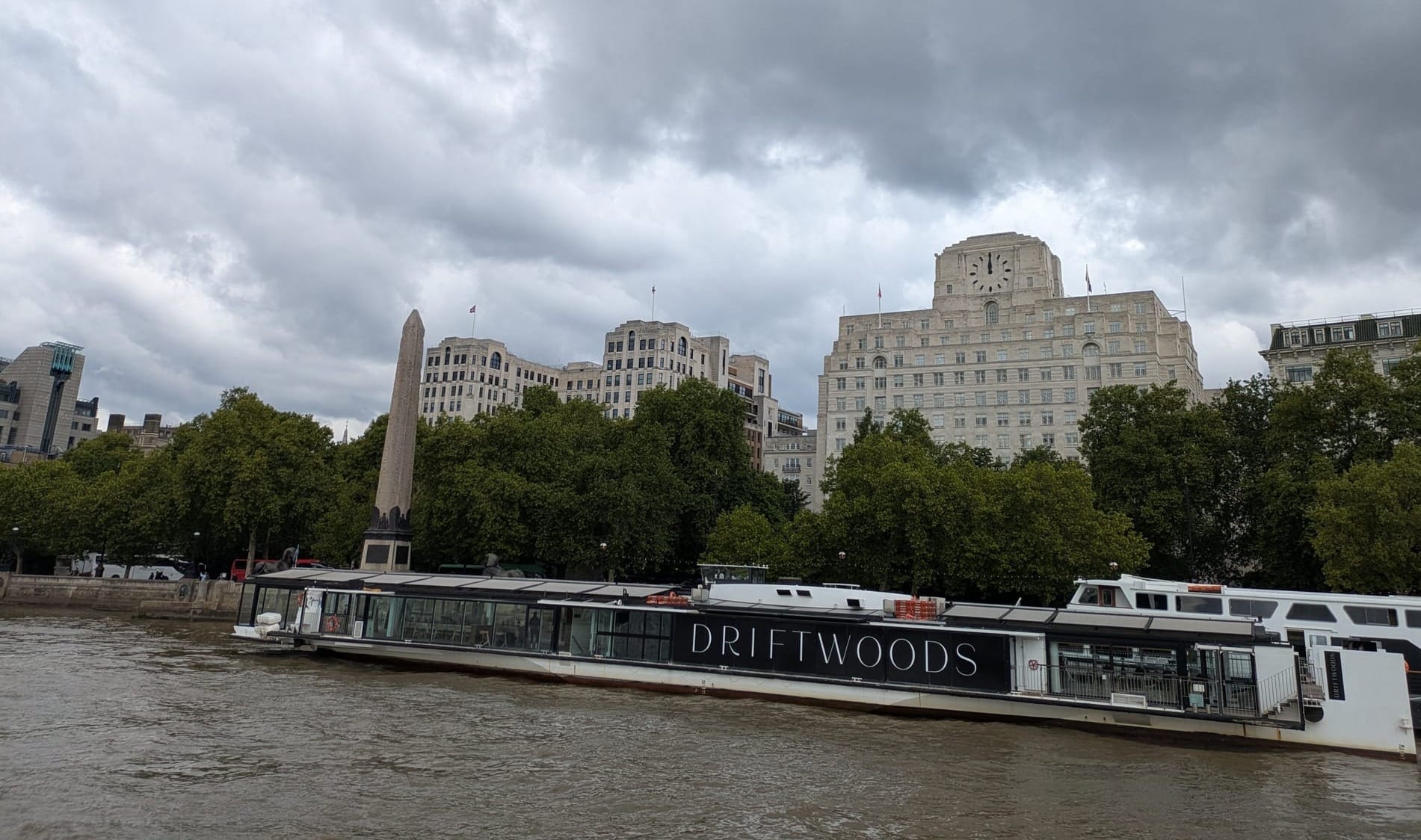
Mooring is an important part of planning a Thames cruise. The Environment Agency provides visitor moorings at numerous lock sites and other locations. Under the current visitor-mooring system, boaters can stay for up to 72 hours. The first 24 hours are free, with a charge applying for additional periods. Registration is required when arriving.
The river also has numerous private marinas and other mooring opportunities. A marina berth can be particularly useful for longer trips or for boaters who need shore power, fuel, water, waste facilities or other services. Mooring availability can become tight during popular summer weekends, particularly near major towns and attractions. Having a flexible itinerary is a useful benefit.
Registration and Boat Requirements
Boaters should not assume that a normal recreational boat can simply be launched and used on the Thames without paperwork. The Environment Agency requires boats kept or used on the relevant River Thames navigation to be registered. This includes powered boats as well as various unpowered craft.
Visitor registration options are available for boats making short visits, while boats kept on Environment Agency waterways require the appropriate annual registration. Before setting out, boaters should check the current Environment Agency requirements rather than relying on older cruising information.
River Conditions and Safety
The Thames can look calm and inviting while still presenting serious hazards. River levels and currents can change following rainfall, including during summer. The Environment Agency updates river-condition information and warns that strong currents and high water can make navigation dangerous. When red boards indicating strong stream conditions are displayed, the agency advises users of all boats not to navigate.
Particular caution is necessary around sluices (artificial channels or troughs used to carry water, controlled by a sliding gate to regulate the flow) and weirs (a low-head dam that crosses the body of water and alters the flow). These structures can generate extremely powerful currents, and the water immediately downstream can be hazardous even when the main river appears relatively tranquil.
Boaters should check conditions before every trip and pay attention to warning boards at locks. Current closures and navigation restrictions should also be checked, since works or incidents can temporarily affect individual sections of the river.
The Tidal Thames and London
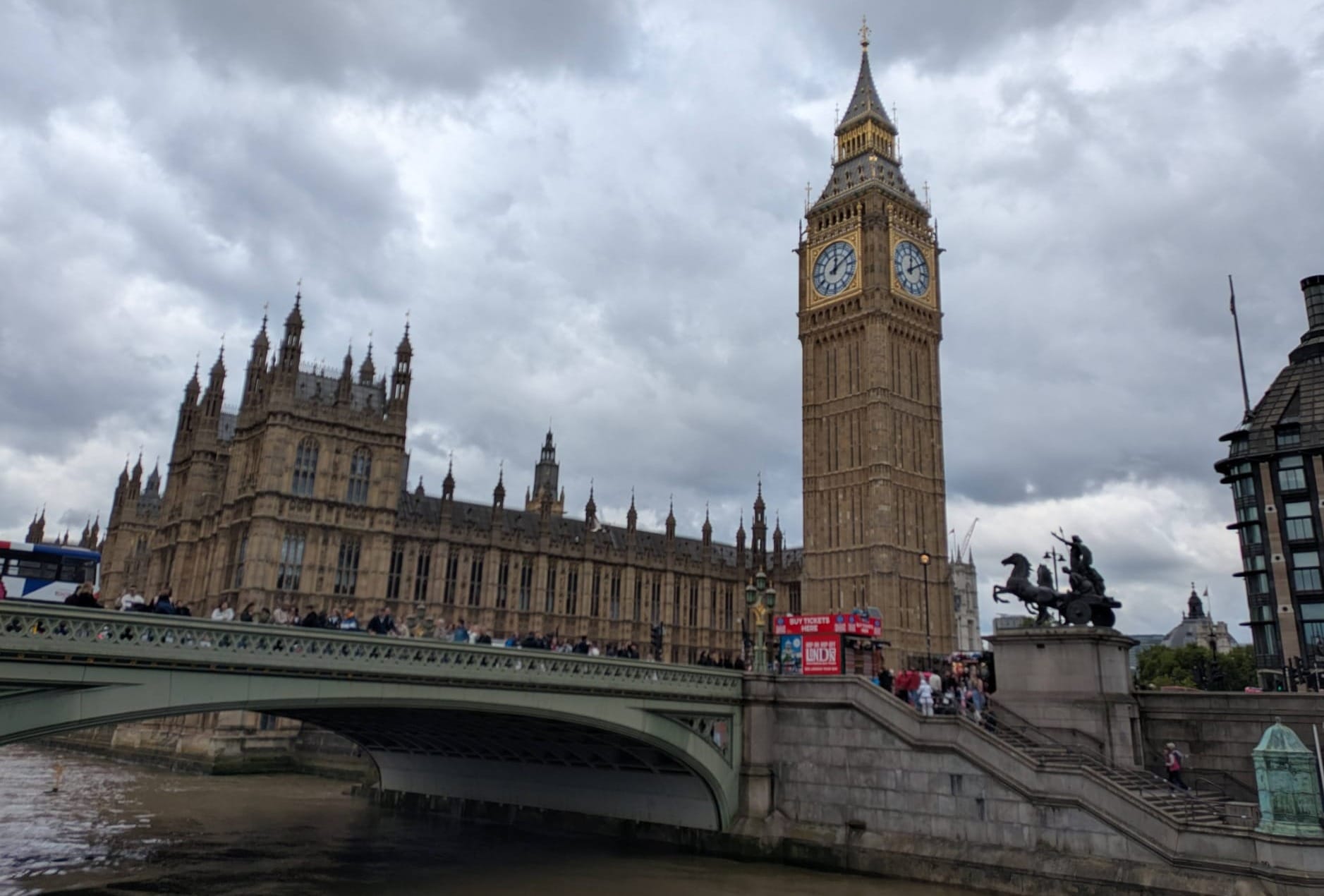
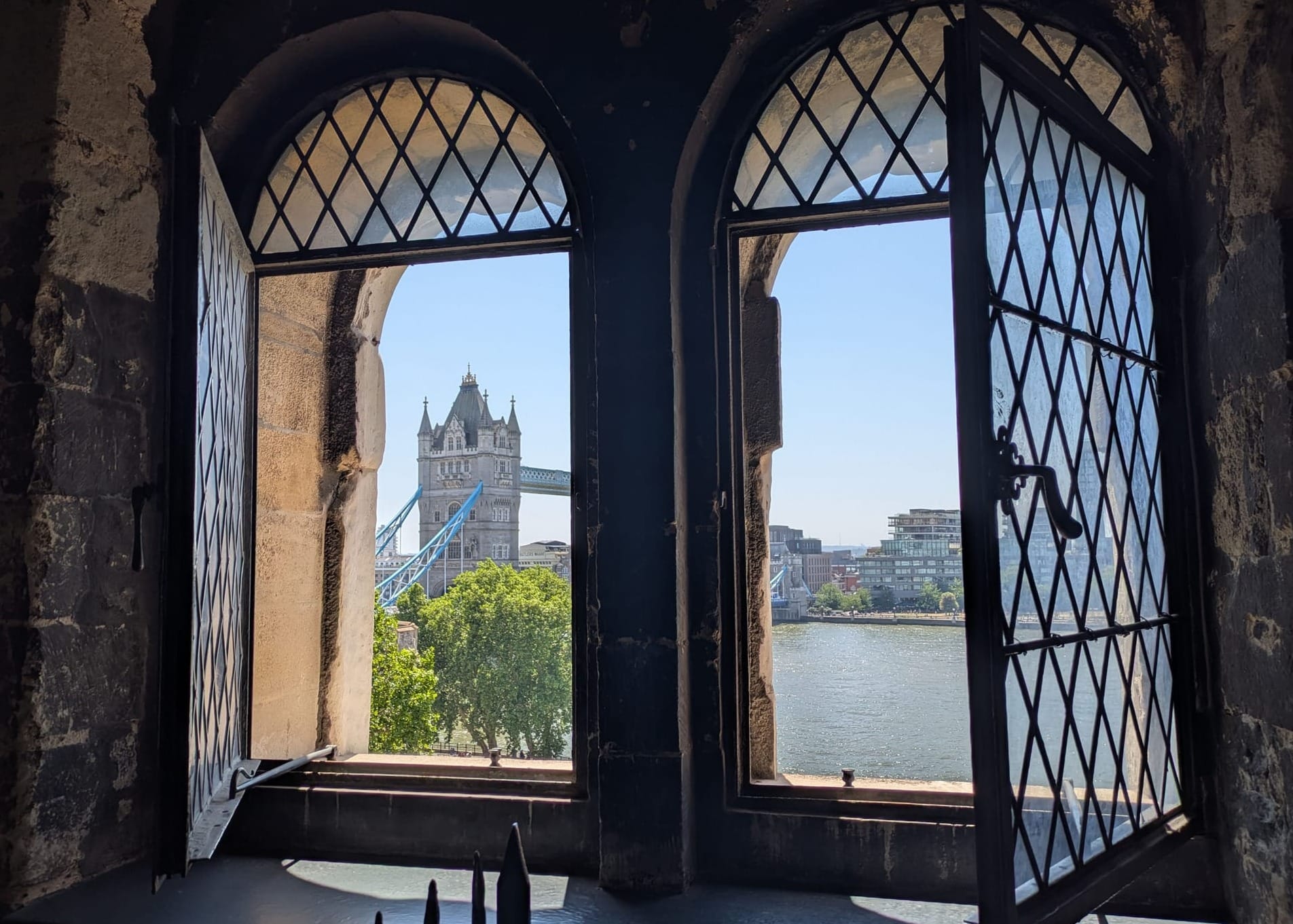
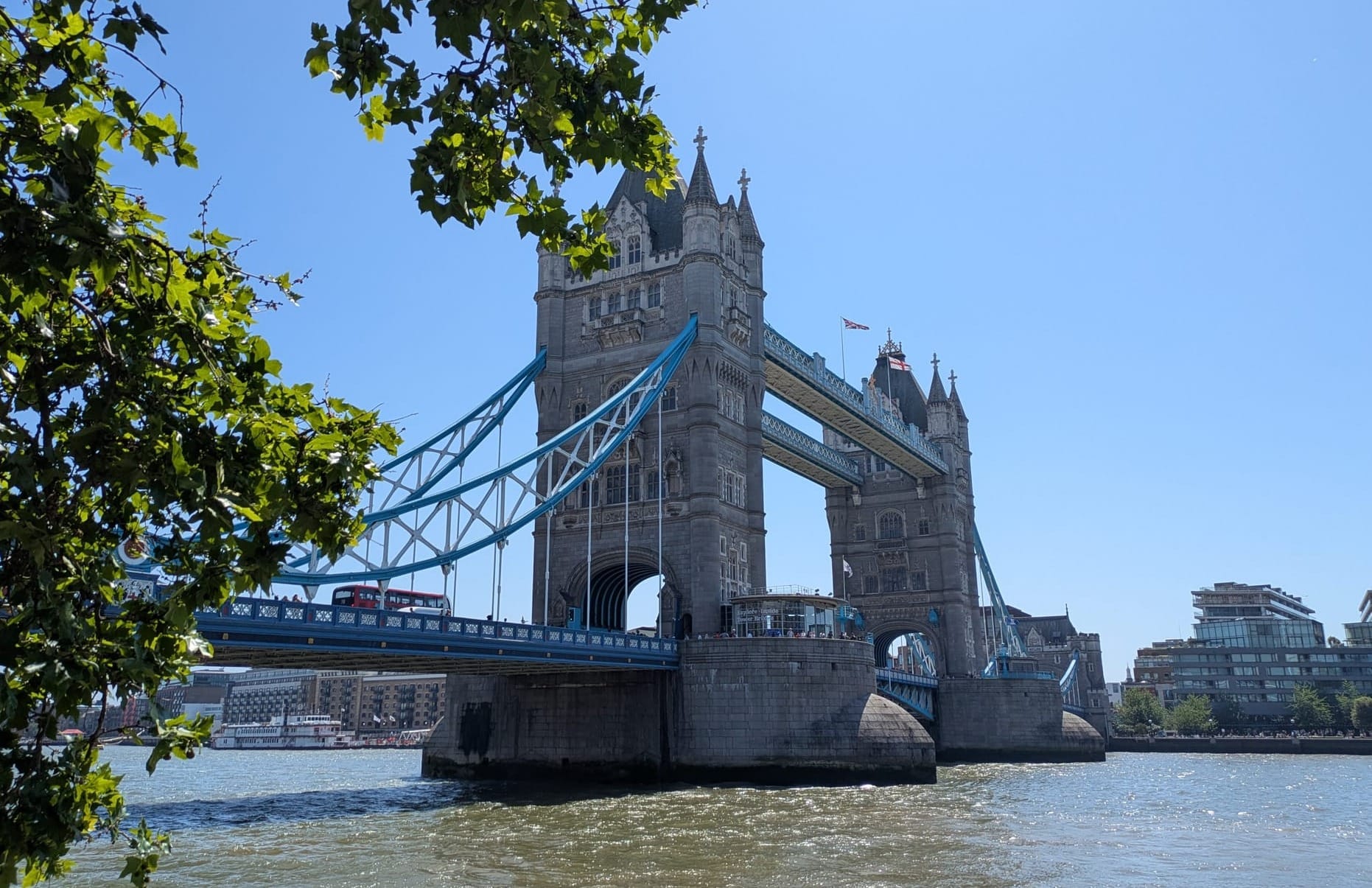
For experienced boaters, continuing downstream through Teddington and into London is an entirely different adventure. The tidal Thames passes some of Britain's most recognizable landmarks, including the Houses of Parliament, the London Eye, Tower Bridge and the city’s skyscrapers. Seen from the water, London takes on a completely different character.
The tidal river should not be approached like the quieter non-tidal Thames. Tides and currents must be taken into account, and boaters share the water with commercial vessels, passenger boats, rowing craft and other traffic.
The Port of London Authority manages the tidal Thames, and boaters should consult its current navigation information before making the passage from private boat slip rentals near me. The government's River Thames guidance specifically directs users to the PLA for information concerning boating on the tidal section.
Choosing a Thames Boat
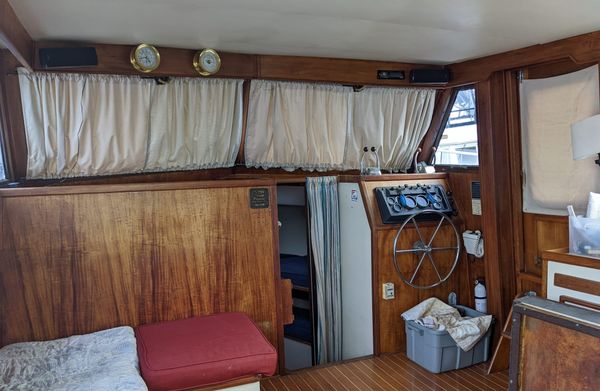
The right boat depends heavily on the section of river and the type of trip. A river cruiser is well suited to multi-day recreational cruising, particularly on the non-tidal Thames. River cruisers offer accommodation and amenities while remaining relatively easy to handle through locks.
A narrowboat can also make a comfortable Thames holiday, although its dimensions and handling characteristics require attention when sharing locks and navigating areas with heavier traffic.
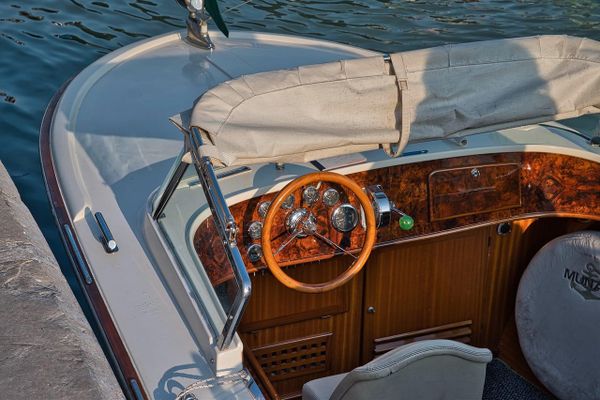
Smaller motorboats are ideal for day trips, while canoes, kayaks and paddleboards can provide a more intimate experience on quieter sections of the river. Unpowered open boats also fall within the Environment Agency's registration system when used on its waterways.
A River for Slow Travel
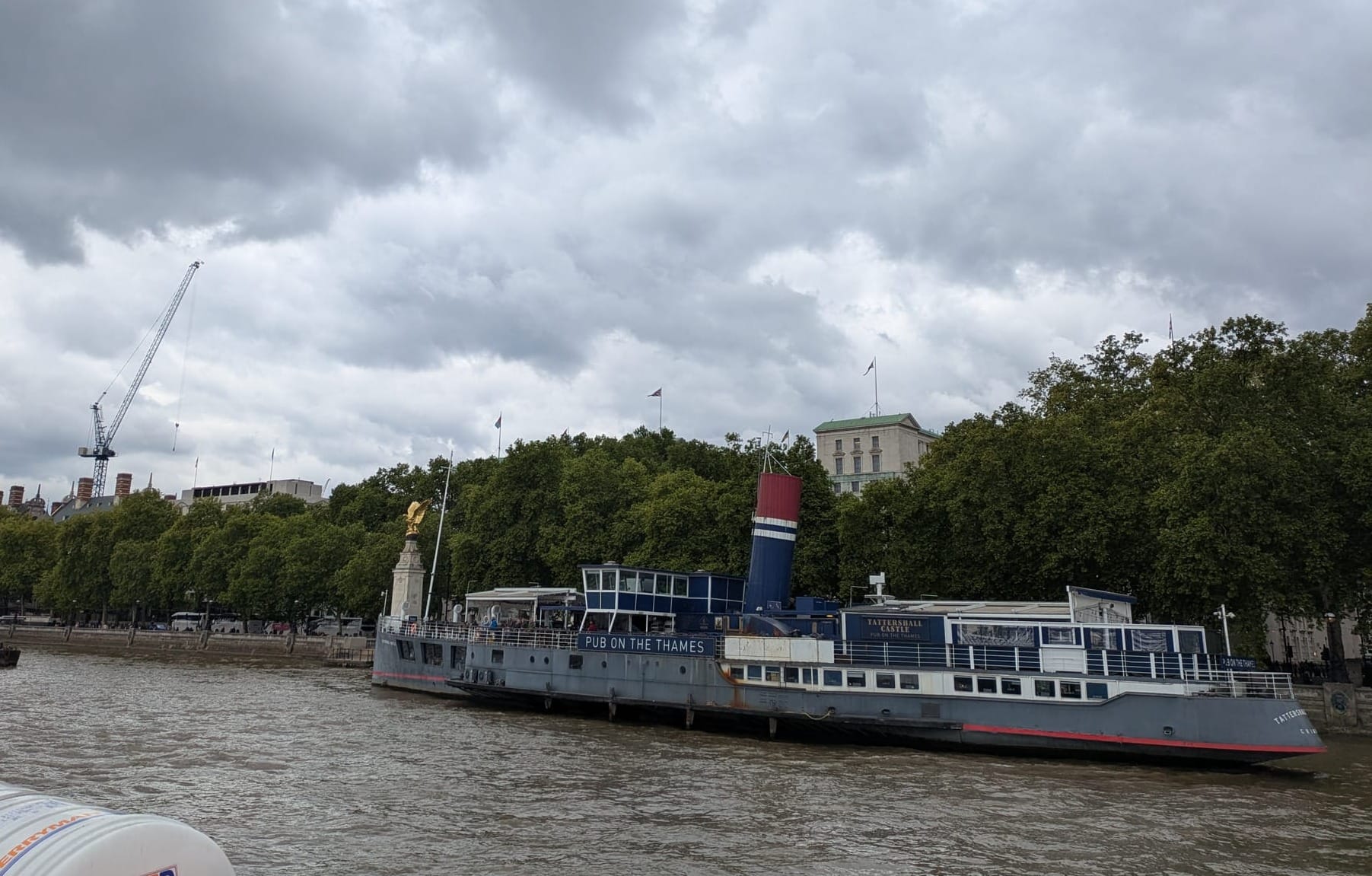
One of the greatest pleasures of boating on the Thames is that the journey itself is the destination. Instead of rushing from one attraction to another, a Thames cruise encourages a slower pace. A morning might begin beside a quiet meadow, followed by a lock passage, lunch at a riverside pub, an afternoon cruise through a historic town and an evening moored beneath trees beside the river.
The route can be tailored to almost any style of boating. A beginner can take a short excursion between nearby towns, while an experienced crew can spend weeks exploring the river and its connecting waterways.
Planning a Thames Boating Holiday
A successful trip starts with current information. Before departure, check registration requirements, lock operating arrangements, river conditions, closures and mooring options. The Environment Agency's current guidance provides information on locks, facilities, visitor moorings, river conditions and navigation restrictions. It is also wise to build some flexibility into the itinerary. Lock queues, weather, river conditions and the temptation to spend an extra few hours exploring a town can all change the day's schedule.
Above all, remember that the Thames is a working navigation as well as a recreational waterway. Give commercial traffic plenty of space, follow local navigation rules, respect speed restrictions and mooring conditions and take particular care around locks, weirs and changing currents.