How to Diagnose Common Steering Problems Before They Become Serious

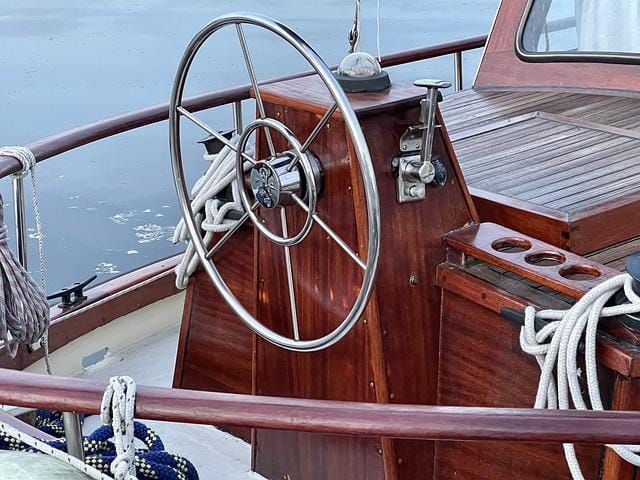
A boat’s steering system rarely fails without warning. Stiffness, unusual noises, excessive play or a change in handling can signal a developing problem that is easier (and usually less expensive) to correct early. A quick steering check before leaving the private boat dock for rent can help identify issues before they become serious on the water.
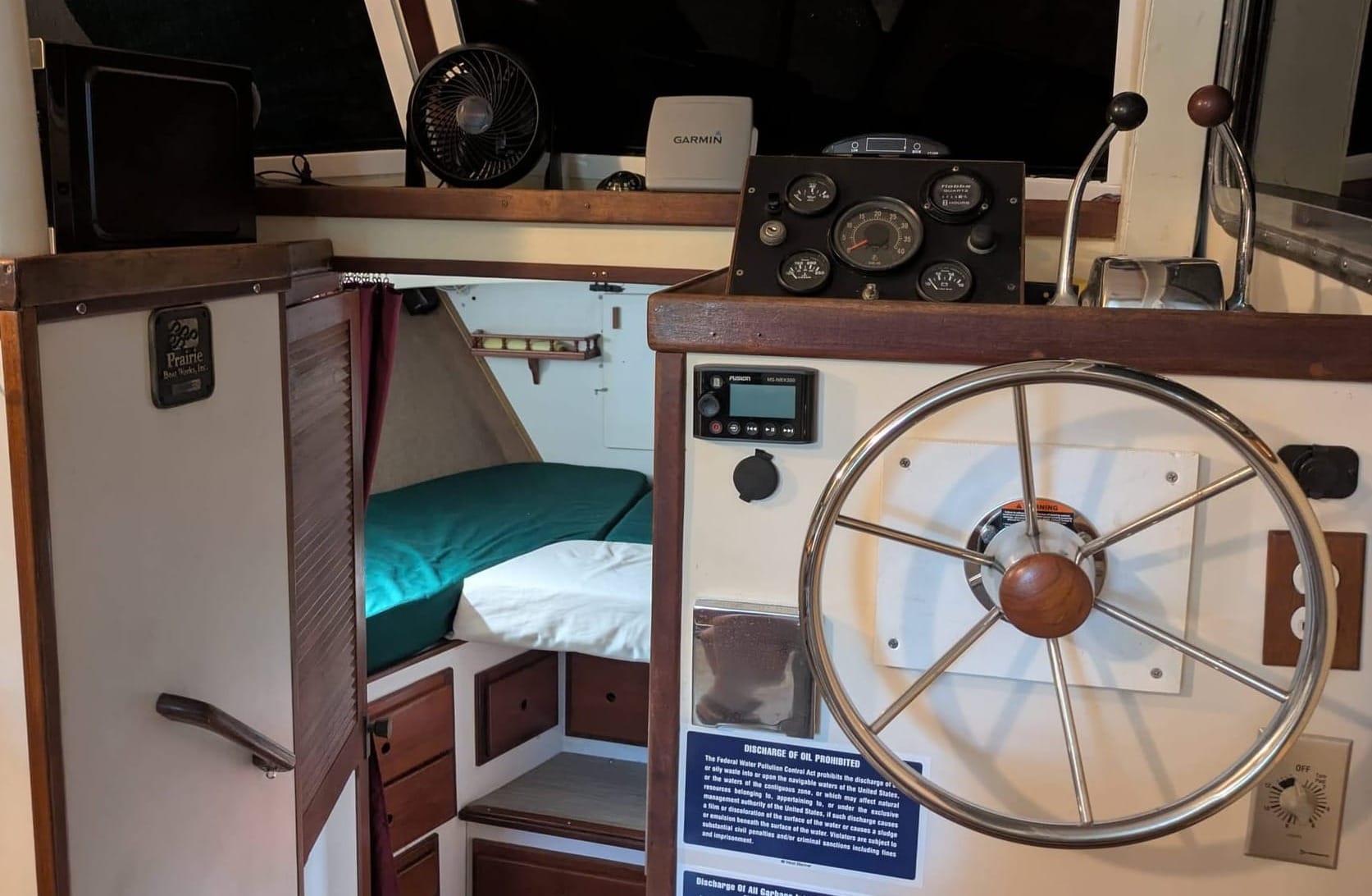
Check for Stiff or Difficult Steering
If the wheel suddenly feels harder to turn, begin by checking the steering system for obvious problems. On cable-steered boats, inspect the cable for corrosion, kinks, damaged sections or signs that it’s binding. Hydraulic systems should be checked for low fluid levels, leaks or air in the lines. Lubrication points should also be inspected according to the manufacturer's recommendations.
With the engine off and the boat safely secured, turn the wheel slowly from side to side. Resistance, grinding or uneven movement can indicate a problem that requires further inspection before leaving the marina or private boat slip for rent.
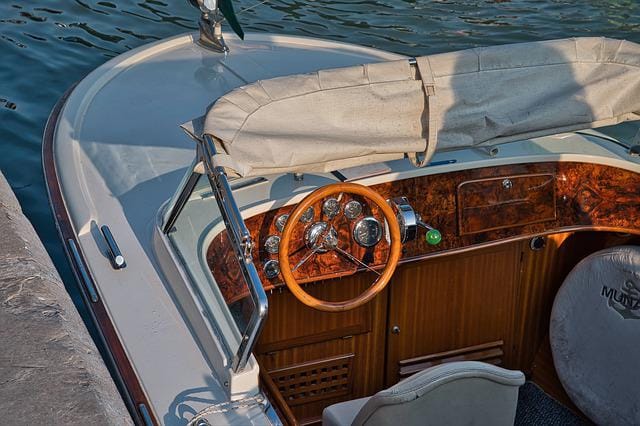
Look for Excessive Steering Wheel Play
A steering wheel that turns noticeably before the rudder or outboard responds can indicate looseness in the steering linkage. Inspect connections, fasteners, the steering arm and other accessible components for movement or wear. Some minor play may be normal, but a sudden increase should not be ignored.
On hydraulic systems, spongy steering can indicate air in the system or a fluid leak. Check hoses, fittings and the helm pump for signs of fluid loss.
Listen for Unusual Noises
Grinding, squealing, clicking or knocking sounds can provide an early warning. Noise that occurs only when turning may point to a component that is binding or wearing. Because steering components vary considerably between boats, consult the manufacturer's service instructions before attempting repairs or lubrication.
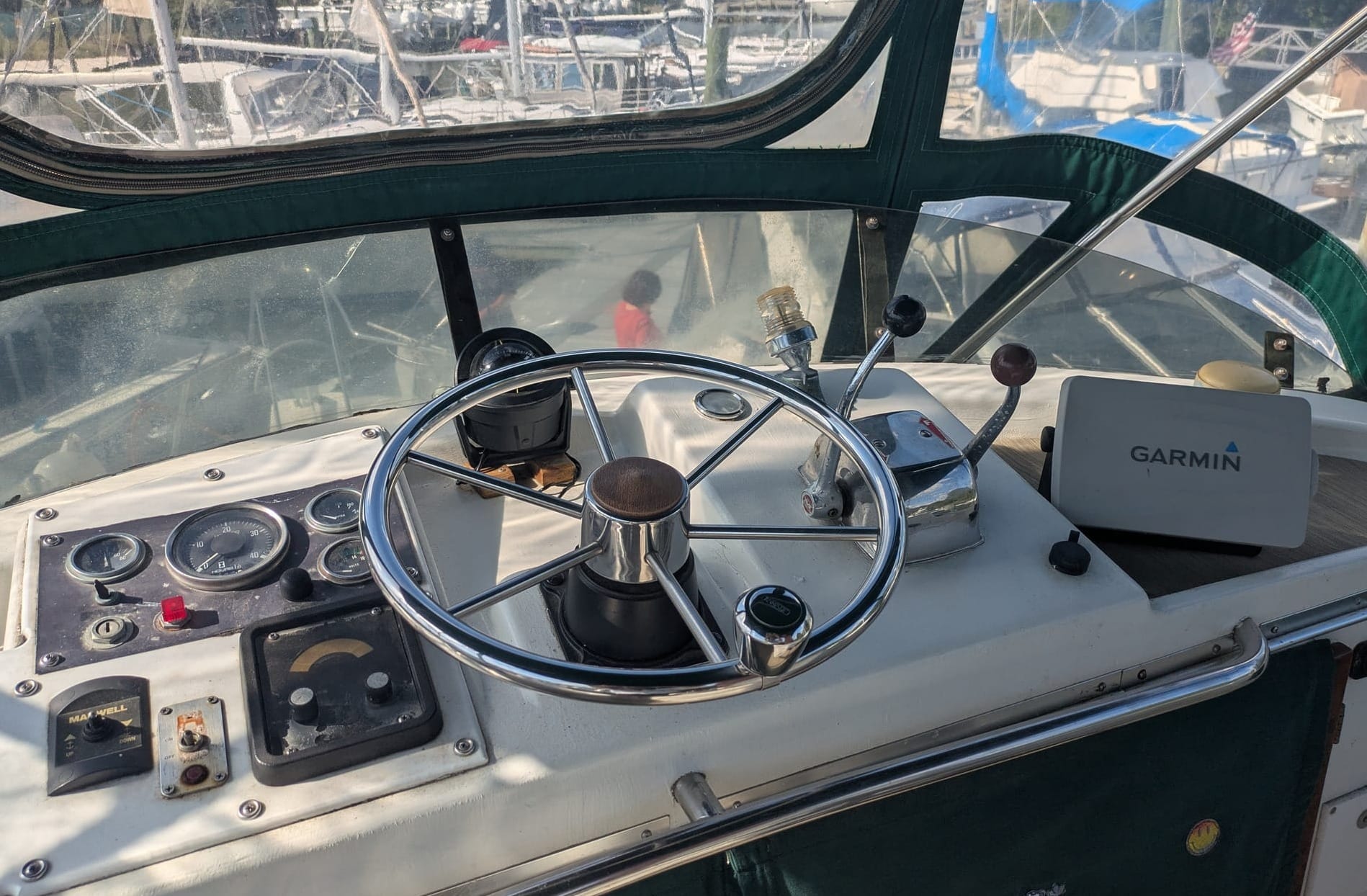
Inspect the Engine or Rudder Movement
Have someone slowly turn the wheel while you observe the steering components from a safe position. On an outboard-powered boat, make sure the outboard responds smoothly and that the steering linkage moves as expected. On inboard boats, inspect the rudder, tiller arm and associated linkage for looseness or unusual movement.
Never place your hands near moving steering components, and keep the engine off whenever an inspection requires working close to the propeller or other moving parts.
Watch for Changes Underway
A boat that suddenly pulls to one side, wanders excessively or responds differently from normal deserves attention. Handling changes can result from steering problems, but they can also be caused by propeller damage, trim settings, loading or other mechanical issues. If steering behavior changes significantly, reduce speed and investigate rather than continuing at cruising speed.
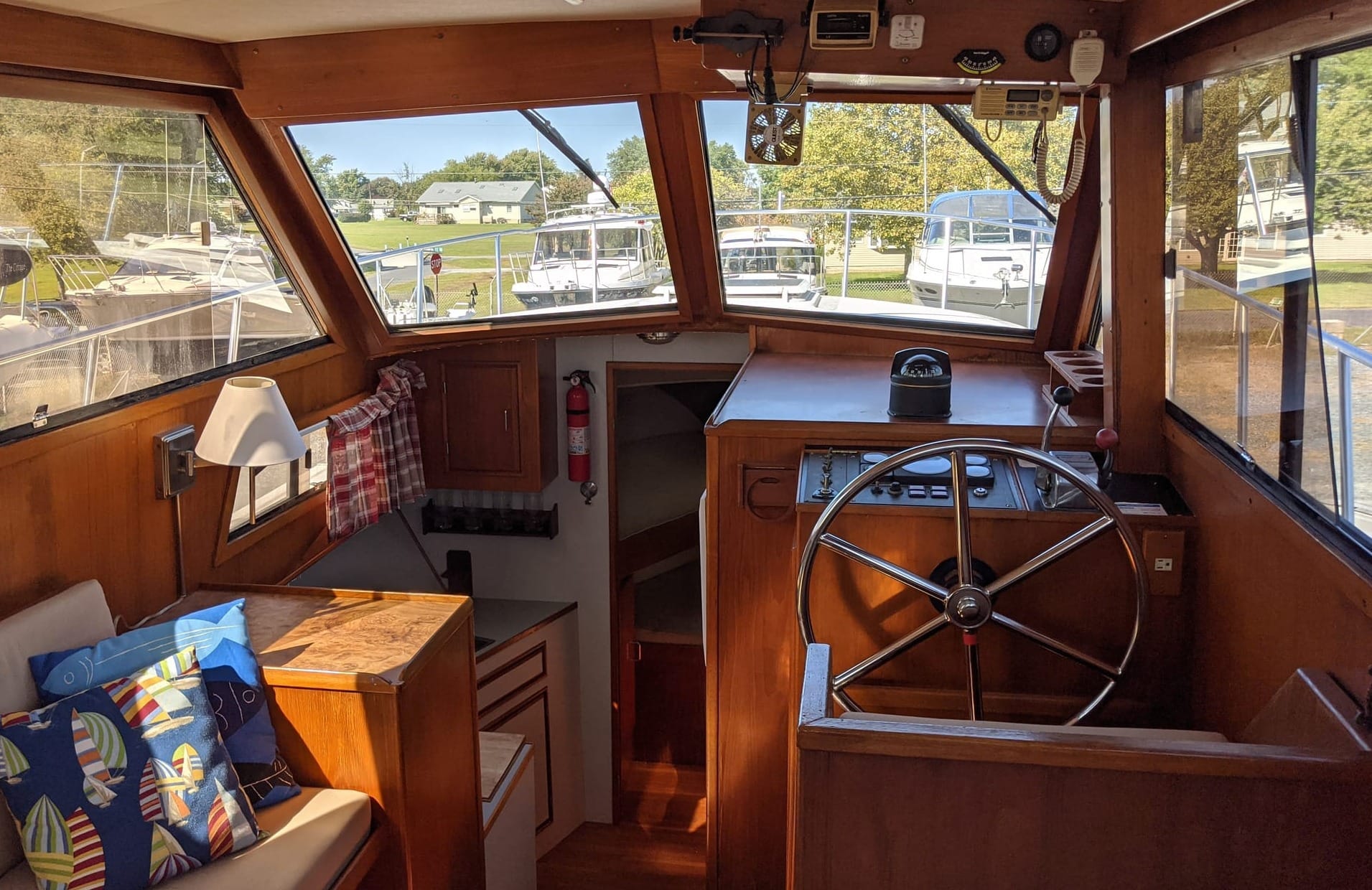
Know When to Stop
Some steering problems should not be treated as routine maintenance at a private boat slip rental near me. Significant steering play, a hydraulic leak, a damaged cable, binding or loss of steering control warrants immediate attention. If the system cannot be diagnosed confidently, have a qualified marine technician inspect it before operating the boat again.
A few minutes spent checking steering components before departure can reveal small problems while they are still manageable. Regular inspections, proper lubrication and maintenance and attention to changes in steering feel can help keep a minor issue from becoming a serious problem on the water.