Propeller Ventilation and Cavitation: Understanding and Preventing Performance Problems

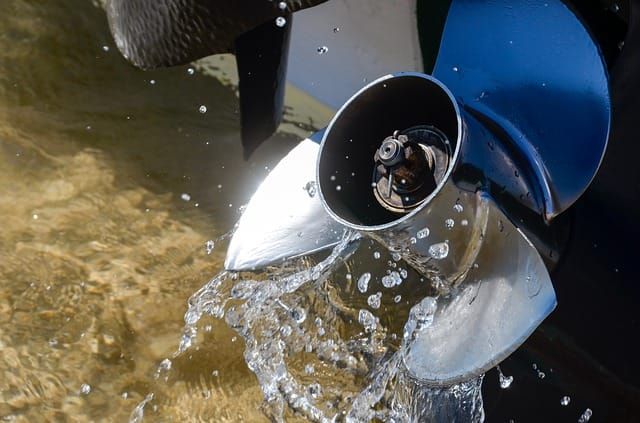
A boat's propeller is designed to operate efficiently underwater, but two common problems, ventilation and cavitation, can interfere with performance and potentially damage the propeller or engine if left unchecked. Although the terms are sometimes used interchangeably, they describe different phenomena. Take a few minutes to understand the differences and prevention tactics before heading out from a private boat dock for rent.
What Is Propeller Ventilation?
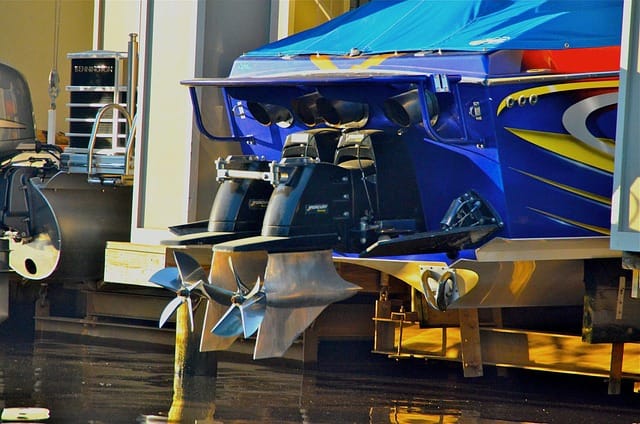
Ventilation occurs when air or exhaust gases are drawn into the propeller blades. Instead of pushing against solid water, the propeller begins spinning in a mixture of water and air, causing a sudden loss of thrust. The engine may race to higher RPM while the boat slows or struggles to accelerate after leaving a private boat lift for rent or marina.
Ventilation can occur when an outboard or sterndrive is trimmed too far out, the propeller is positioned too close to the surface, or the boat makes a sharp turn at high speed. A damaged or incorrectly fitted propeller can also contribute to the problem.
Reducing trim, slowing down or changing course will often restore normal propeller performance. If ventilation occurs repeatedly under normal operating conditions, inspect the propeller and have the engine's mounting height and setup checked.
What Is Cavitation?
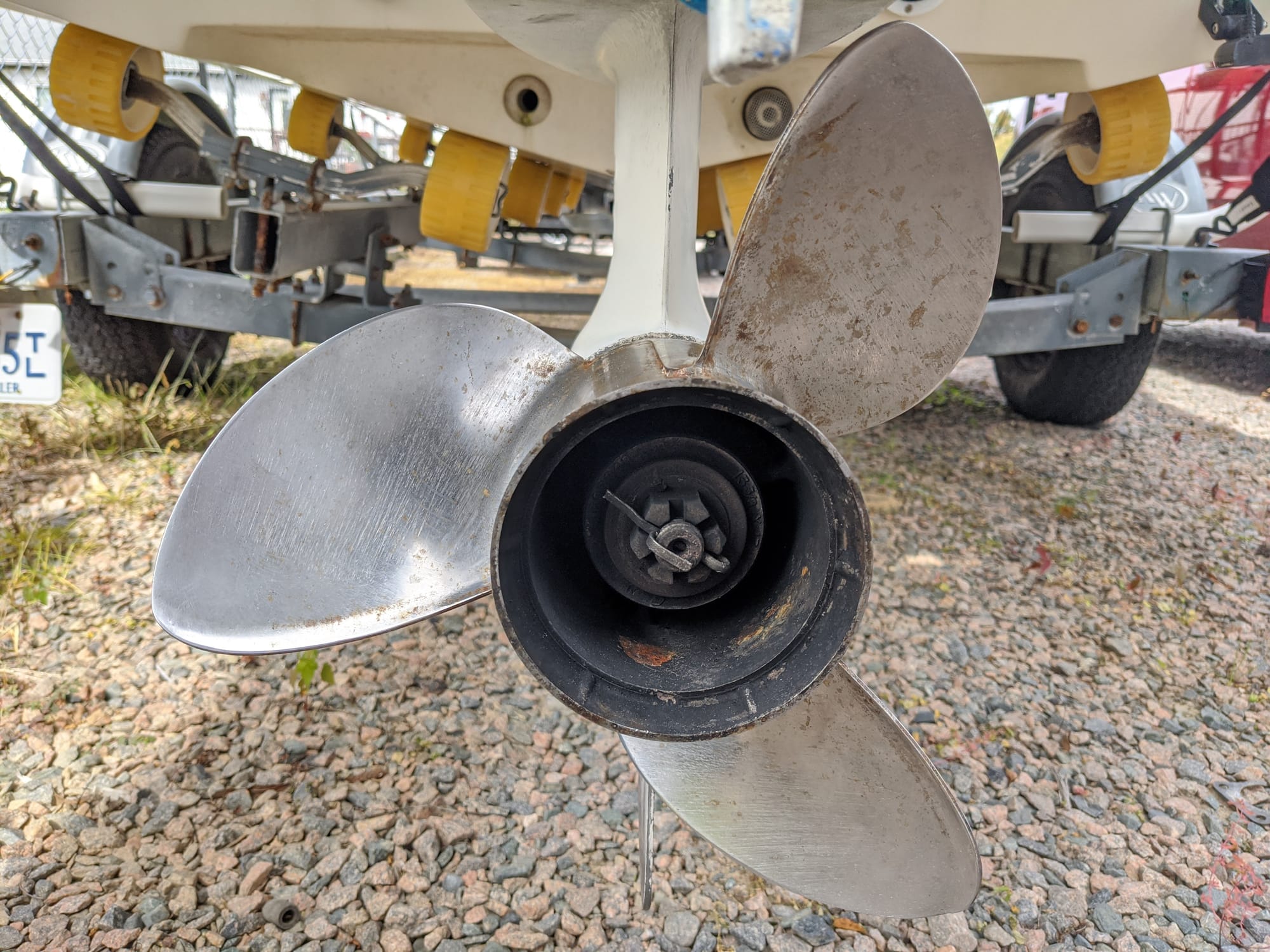
Cavitation occurs when water pressure around a propeller blade falls low enough for vapor bubbles to form. When those bubbles move into areas of higher pressure, they collapse rapidly. Repeated cavitation can erode the metal or composite surface of the propeller, leaving small pits or a rough and damaged appearance.
Cavitation can be associated with an overloaded boat, an improperly matched propeller, excessive propeller RPM or damage to the blades. Unlike ventilation, cavitation does not require air to enter the propeller's path.
How to Recognize the Difference
Both problems can produce vibration, reduced thrust and unusual engine RPM, making them easy to confuse. Ventilation is often associated with abrupt changes in engine speed and can occur during sharp turns or excessive trimming. Cavitation tends to produce persistent vibration, noise and gradual propeller damage.
If the problem continues after adjusting trim and operating conditions, inspect the propeller for damage and have the propulsion system evaluated while at a marina or private boat slip rental near me.
Prevention
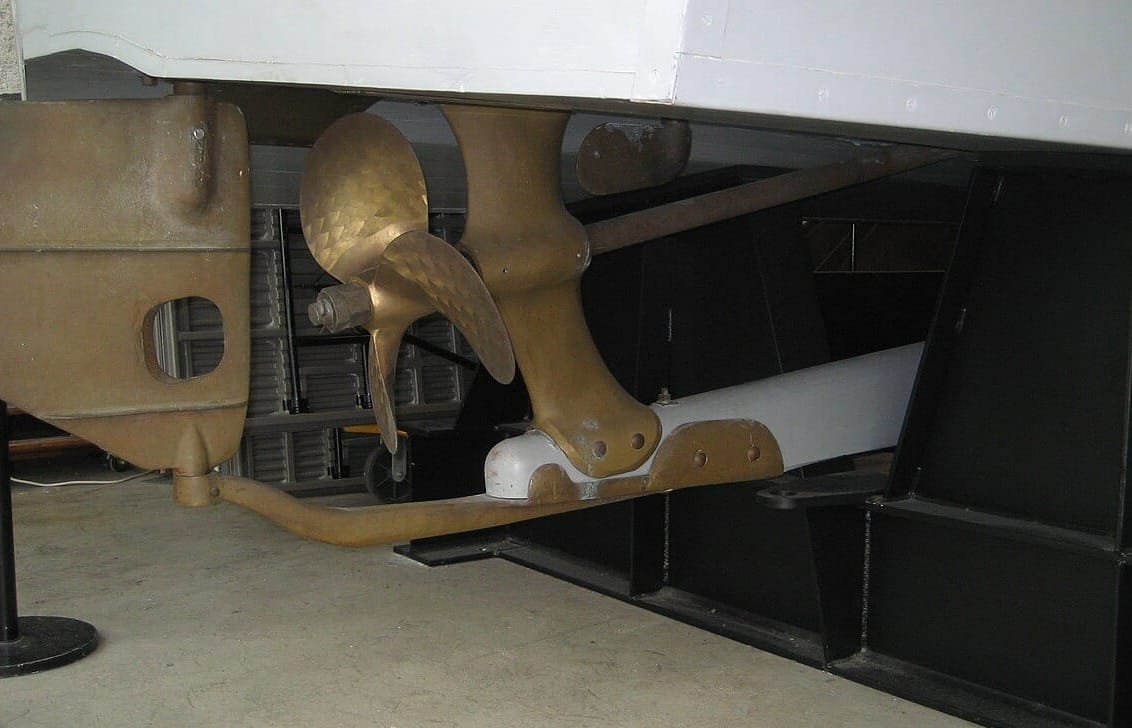
Use the propeller recommended for your boat and engine combination, maintain the manufacturer's specified operating RPM range and inspect the blades regularly for bends, dents, cracks or erosion. Proper engine mounting height and trim settings are also important.
Understanding the difference between ventilation and cavitation can help boaters diagnose loss of thrust early. Addressing the underlying cause promptly can protect the propeller, improve efficiency and help prevent a minor performance problem from becoming an expensive repair.